Almendres Cromlech
Iberian peninsula's largest stone circle complex. Older than Stonehenge by three millennia, rediscovered only in 1966.
Read entryBrowse by form
Discover stone circles, standing stones, dolmens, and other monuments whose scale reshaped both the landscape and the memory of the communities that built them.
Iberian peninsula's largest stone circle complex. Older than Stonehenge by three millennia, rediscovered only in 1966.
Read entry
002
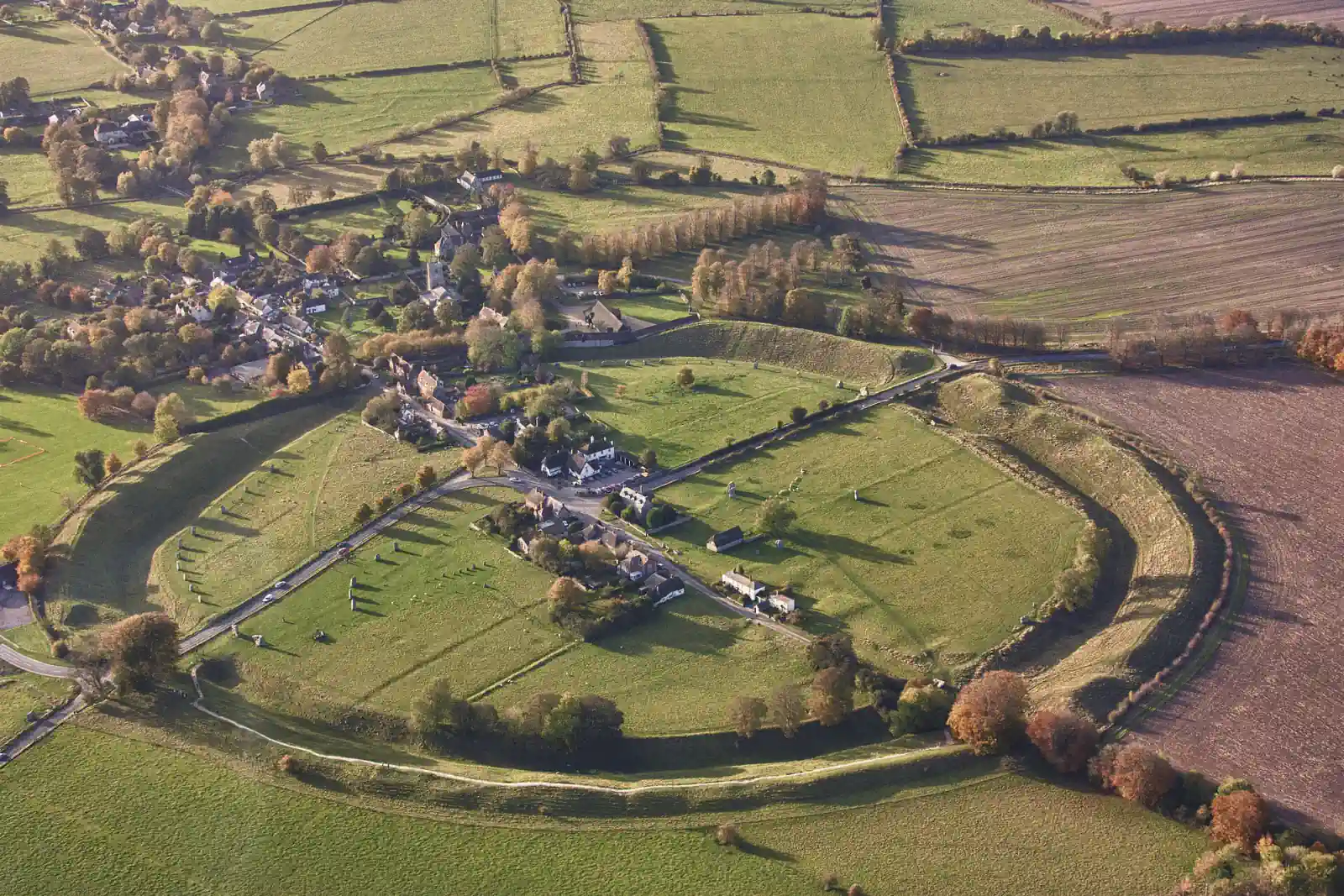
Largest prehistoric stone circle in Europe, surrounding an entire village. Easier to overlook than Stonehenge, and bigger.
Read entry
003
Some of the largest cut stones ever moved. The Trilithon's three blocks weigh roughly 800 tonnes each, and one larger remains in the quarry.
Read entry
004
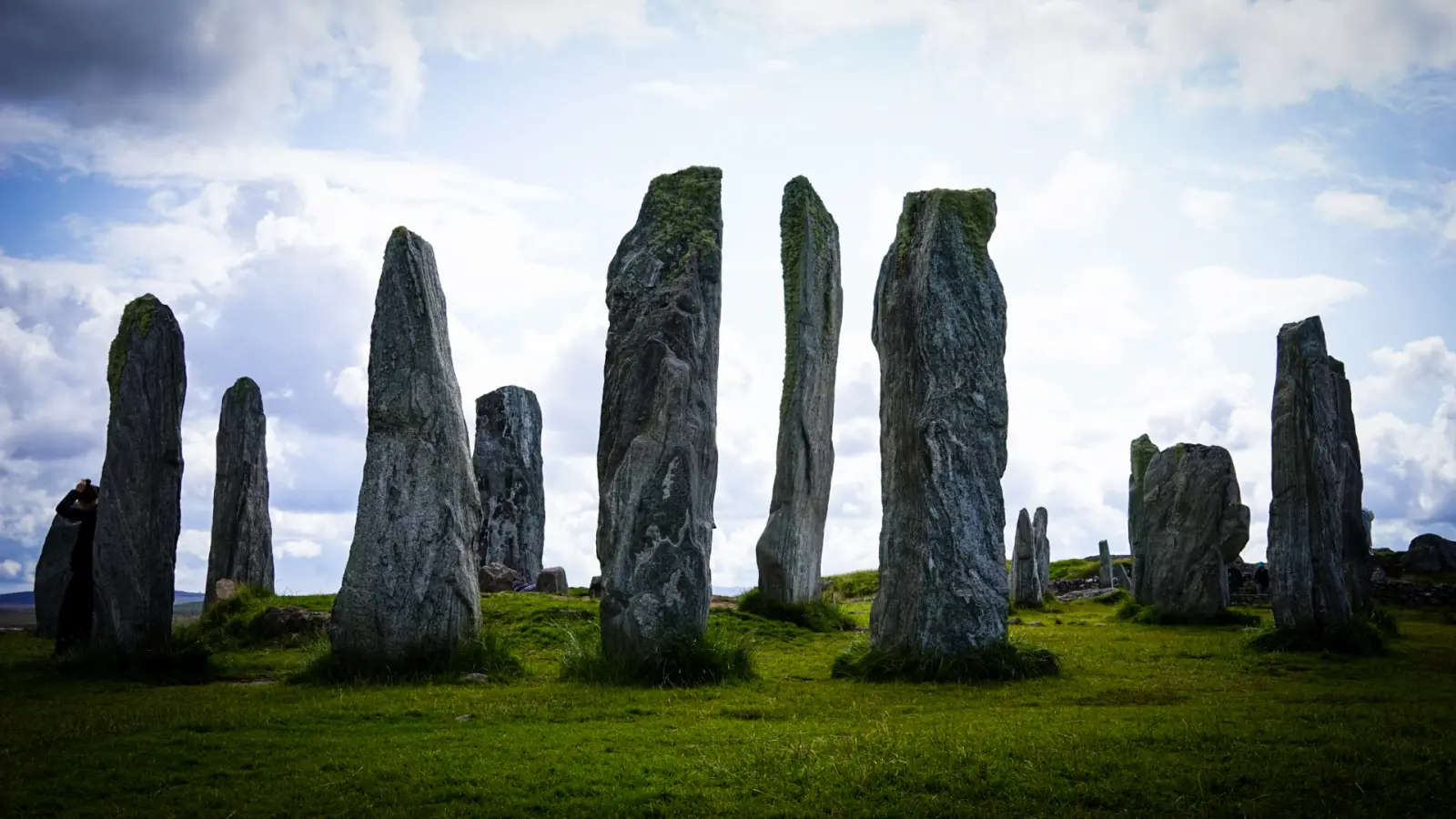
Cruciform arrangement of Lewisian gneiss on the Isle of Lewis. Aligned with a lunar standstill that occurs once every 18.6 years.
Read entry
005
Over 3,000 standing stones in long parallel rows. Local legend held them to be a Roman legion turned to stone by Merlin.
Read entry
006
Prehistoric tomb topped by a 150-tonne capstone. Aligned to the only mountain visible from its entrance.
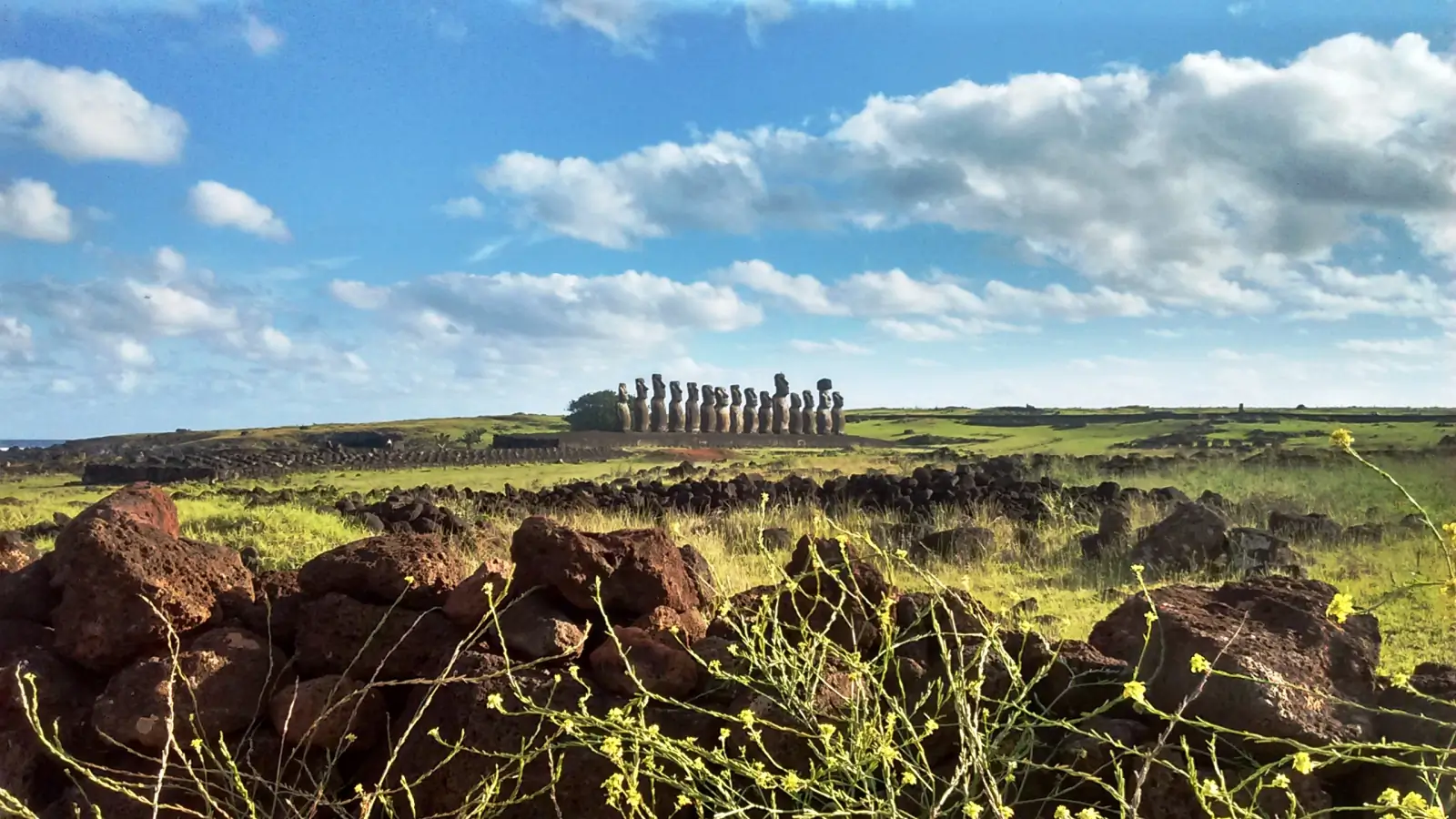
Read entryAround 900 monolithic figures carved by the Rapa Nui. Many were toppled deliberately during a period of internal conflict.
Read entry
008
Sandstone pillars carved with medieval Christian reliefs but used much earlier. Co-opted by 20th-century mythology.
Read entry
009
Limestone monolith with the body of a lion and a human head, carved in situ from the Giza bedrock. The largest monolithic statue in the world.
Read entry
010
Seat of the High Kings of Ireland. The Mound of the Hostages, a passage tomb, predates the kingship by two millennia.
Read entryMegalithic walled compound on Kosrae, contemporary with Nan Madol. Many of the same prismatic basalt columns, now half-swallowed by mangroves.
Read entry
012
Includes the Grand Menhir Brisé, a single 20-metre stone broken into four pieces. The largest single block ever moved by Neolithic Europeans.
Read entry
013
Hierotheseion of King Antiochus I of Commagene. Toppled colossal heads of gods and ancestors line the summit.
Read entryStone circle in the Nubian Desert, predating Stonehenge. Possibly the world's oldest known astronomical alignment.
Read entry
015
99 artificial basalt islets off the coast of Pohnpei. Walls built from prismatic columns weighing up to 50 tonnes, hauled by means unknown.
Read entry
016
Achaemenid kings carved their tombs into a cliff face here. Sasanian rulers later added monumental rock reliefs of their victories.
Read entry
017
Sardinian Bronze Age tower complex. The largest of around 7,000 nuraghi scattered across the island.
Read entry
018
Rock shelter in northeast Brazil with charcoal layers dated to 48,000 years before present. If the dates hold, the oldest evidence of human presence in the Americas.
Read entry
019
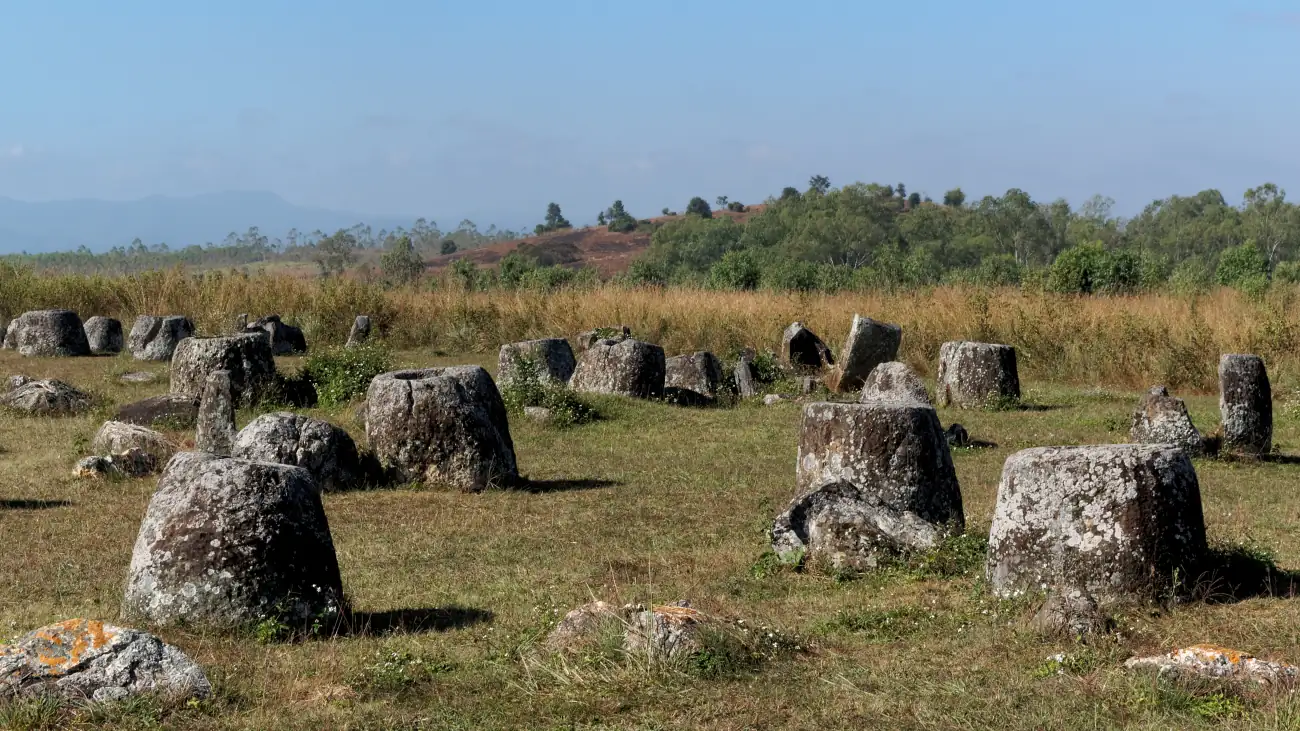
Thousands of carved stone jars scattered across a high plateau. Heavily contaminated with unexploded ordnance from the Vietnam-era bombing.
Read entryTiwanaku-era temple complex, scattered with massive andesite blocks cut to interlocking H-profiles. How they were shaped is still debated.
Read entry
021
Concentric stone circles in the Golan Heights, with a central tumulus added later. Sometimes called the Stonehenge of the Levant.
Read entryCyclopean Inca walls above Cusco. Stones are fitted so tightly that a knife blade cannot be inserted between them.
Read entry
023
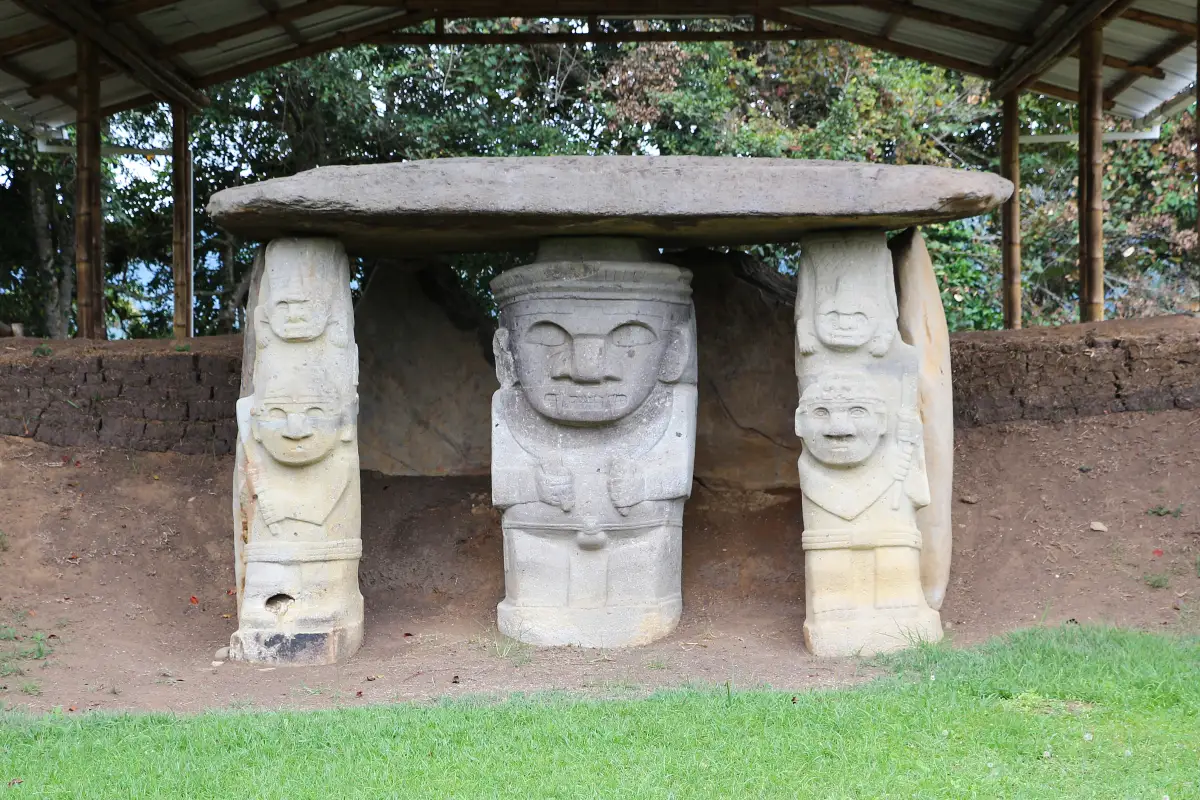
Largest cluster of pre-Columbian megalithic statuary in South America. Hundreds of stone figures guarding burial mounds in the upper Magdalena valley.
Read entry
024
Over a thousand stone circles spread across the Senegal-Gambia border. The largest concentration of megaliths in the world.
Read entryNational park in Piauí with over 1,300 sites and 30,000 painted figures. The largest concentration of prehistoric art in the Americas.
Read entry
026
Massive limestone discs (rai), some up to 3.6 metres across, quarried in Palau and brought across the open ocean by canoe.
Read entry
027
Sarsen circle and bluestone arrangement on Salisbury Plain. The bluestones travelled 240 kilometres from the Preseli Hills.
Read entry
028
Submerged sandstone formation off Ryukyu's southwesternmost island. Geologists call it natural; some divers call it a sunken city.
Read entry