001
Abu Simbel
Two rock-cut temples for Ramesses II. In the 1960s, the entire complex was sawed apart and relocated to escape Lake Nasser.
Read site historyAncient Library / Research
The atlas shows where the sites are. These researched histories explain what happened there, what survives, and where the evidence still leaves room for questions.
001
Two rock-cut temples for Ramesses II. In the 1960s, the entire complex was sawed apart and relocated to escape Lake Nasser.
Read site history
002
Thirty Buddhist rock-cut caves, painted with murals that survive thanks to the dry climate and centuries of obscurity.
Read site history
003
A Bronze Age Cycladic town on Thera buried by volcanic deposits in the late 17th century BCE. Streets, multi-storey buildings, frescoes, and household objects survive.
Read site history
004
Capital of the Aksumite kingdom, linked by Red Sea trade to Arabia and the Mediterranean. Monumental stelae, royal tombs, inscriptions, and coins record its power.
Read site history
005
A Roman municipium at present-day Šćitarjevo near Zagreb, where excavations reveal streets, baths, houses, and a settlement shaped by the Sava River.
Read site history
006
Largest religious structure ever built by area. A microcosm of Hindu cosmology, later converted to Buddhist use.
Read site history
007
Greek-Roman city with a stadium for 30,000 and a school of marble sculpture supplying the empire.
Read site history
008
A fortified Bronze Age settlement in the southern Urals, built from two rings of dwellings with defensive walls, a ditch, workshops, and planned entrances.
Read site history
009
A Liburnian settlement near Benkovac that became a Roman town, preserving massive walls, gates, cemeteries, inscriptions, and traces of changing local power.
Read site history
010
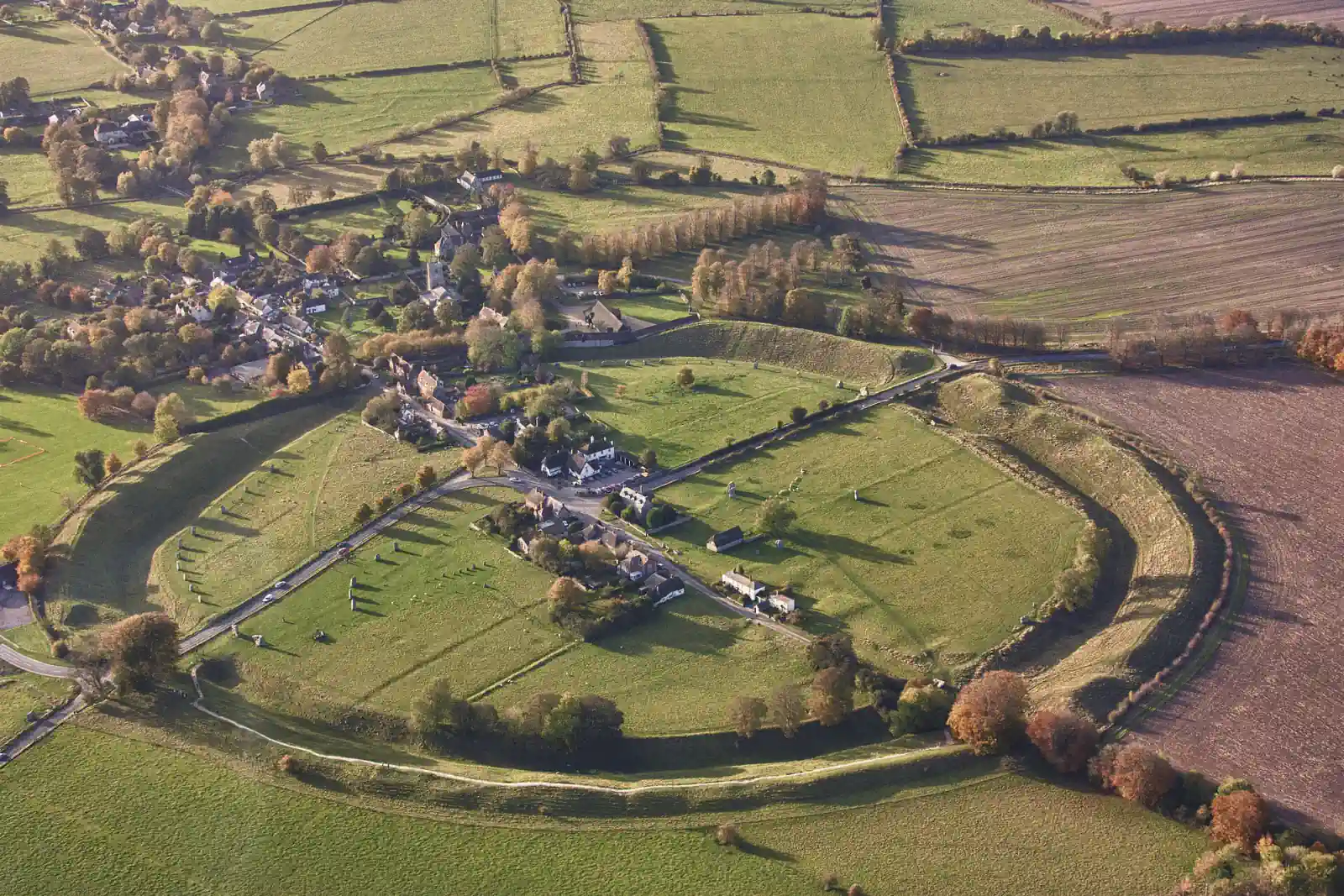
Largest prehistoric stone circle in Europe, surrounding an entire village. Easier to overlook than Stonehenge, and bigger.
Read site history
011
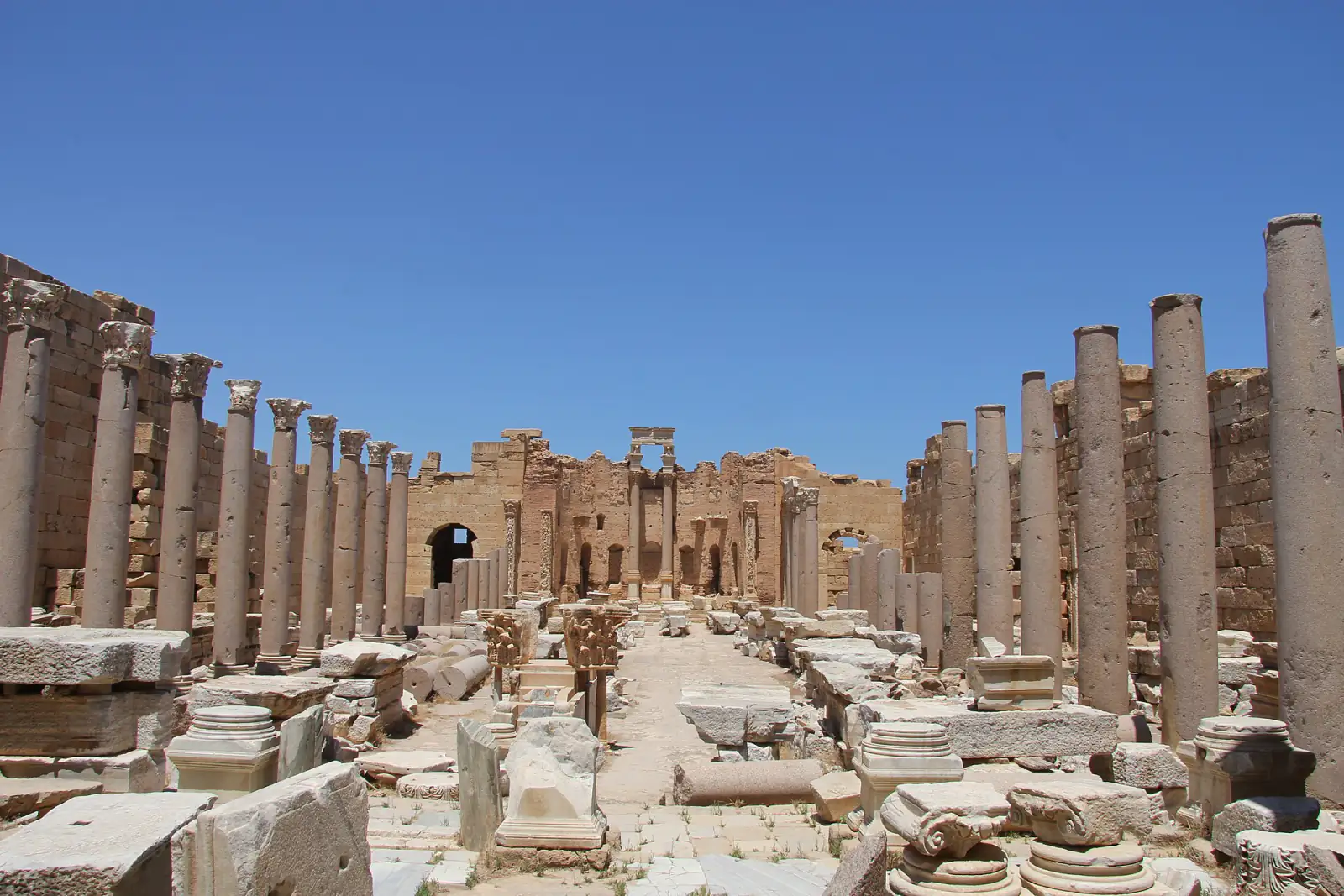
Roman sanctuary built on a monumental terrace in the Bekaa Valley. The Temple of Jupiter and its colossal substructure made Baalbek one of the ancient Mediterranean's grandest sacred complexes.
Read site history
012
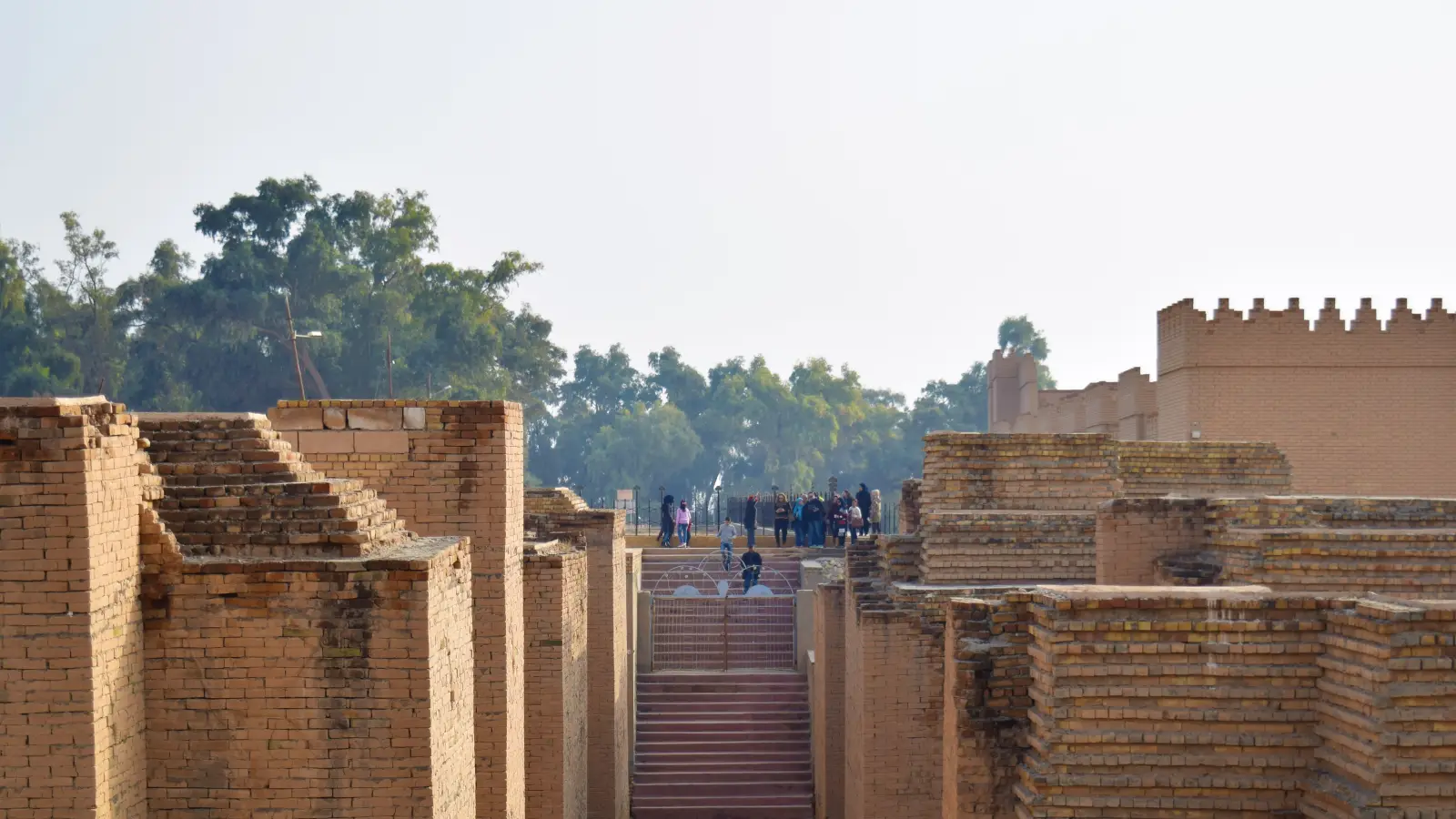
Mesopotamian capital under Hammurabi and Nebuchadnezzar II. Severely damaged by US military base construction in 2003–2004.
Read site history
013
Plain studded with over 2,000 surviving Buddhist temples. The kingdom that built it was sacked by Mongol forces.
Read site history
014
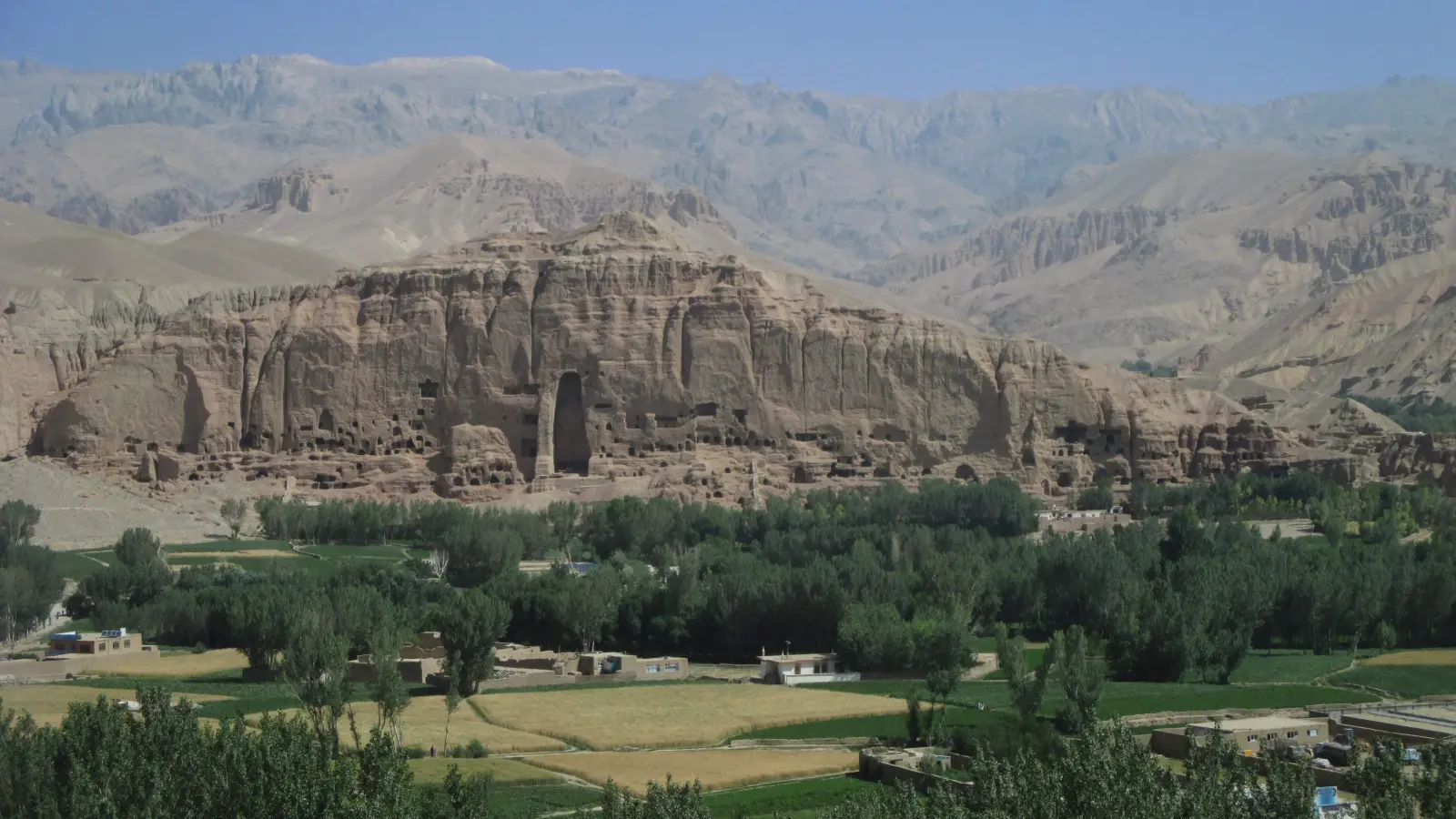
Two colossal standing Buddhas carved into a sandstone cliff, dynamited by the Taliban in 2001. The empty niches remain.
Read site history
015
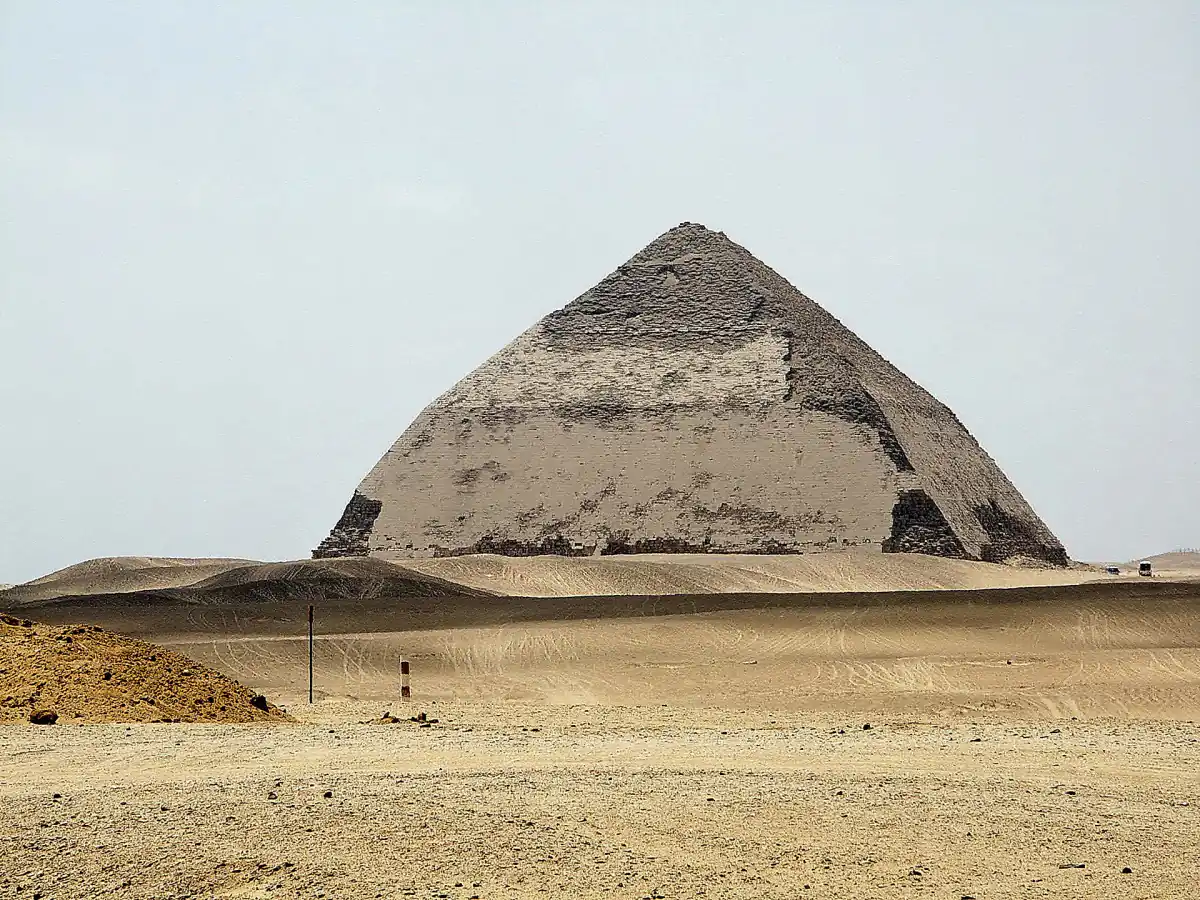
Sneferu's experiment in geometry. The angle changes mid-build, evidence of structural concerns mid-construction.
Read site history
016
Monumental Mahayana Buddhist sanctuary arranged as a rising sequence of terraces, relief galleries, perforated stupas, and a central dome.
Read site history
017
A Roman military camp above the Krka River, with a command centre, exercise ground, basilica, and the only known Roman military amphitheatre in Croatia.
Read site historyLong-inhabited Mediterranean port with Neolithic, Bronze Age, Phoenician, Persian, Hellenistic, Roman, and later layers. Royal inscriptions preserve early Phoenician alphabetic writing.
Read site history
019
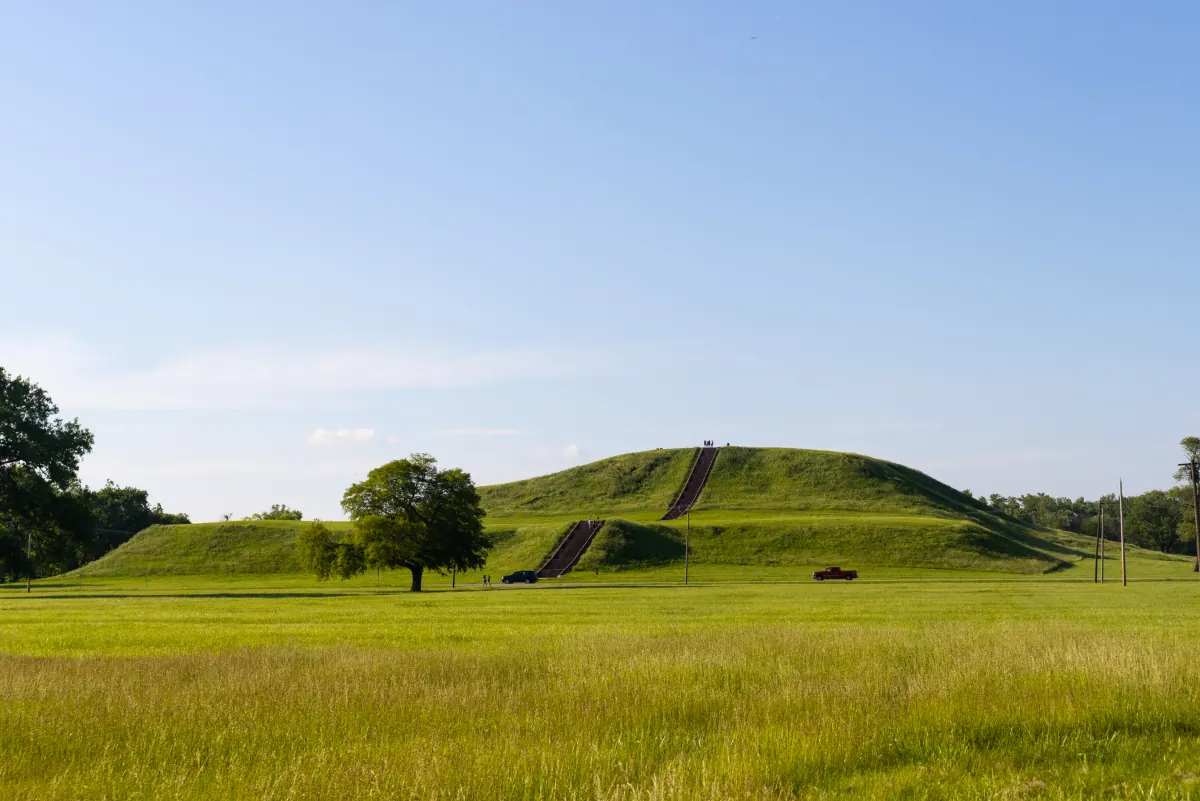
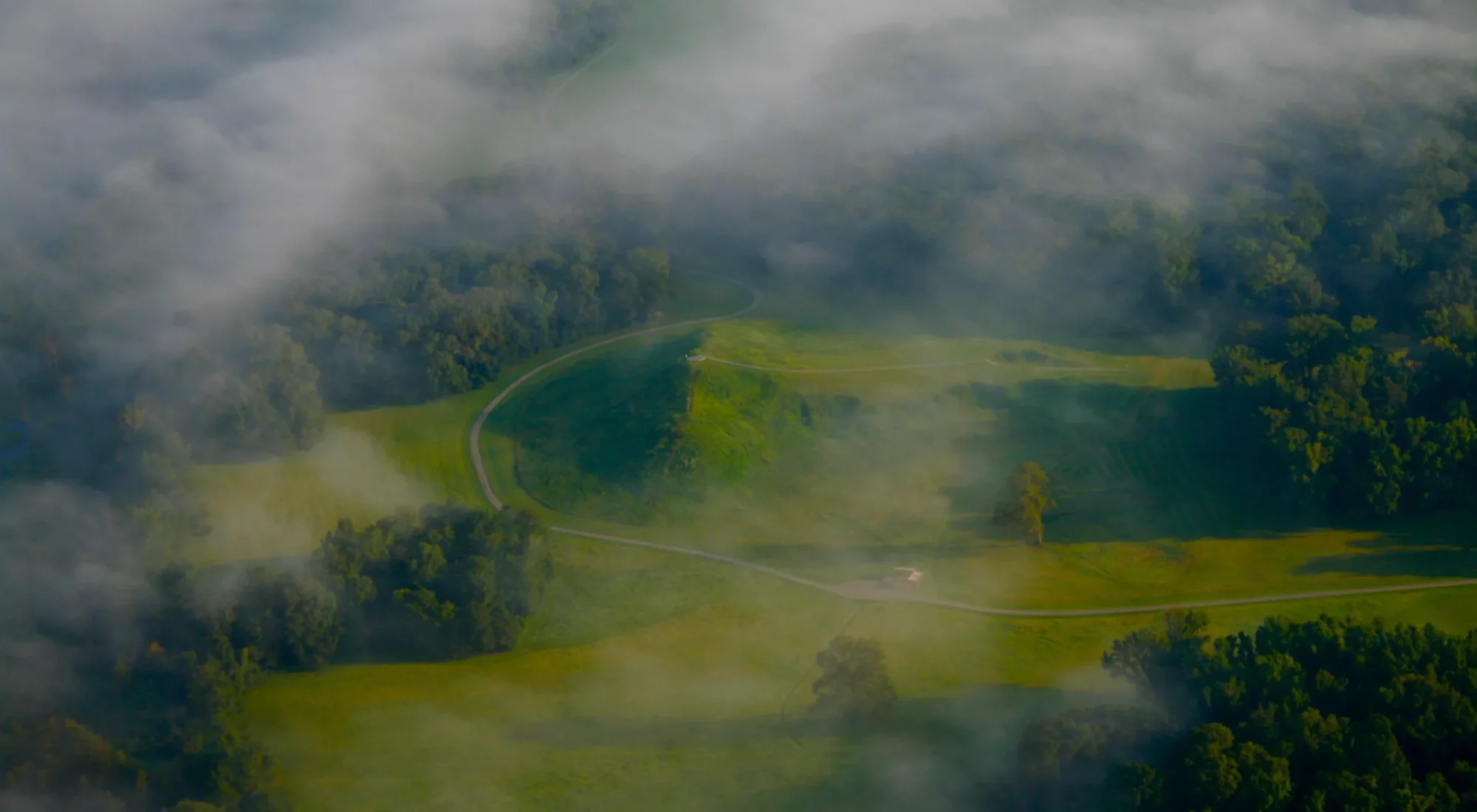
Largest known pre-Columbian city north of Mexico, organised around neighbourhoods, plazas, timber monuments, and immense earthworks including Monks Mound.
Read site historyMajor Classic Maya capital in the forests of Campeche and a long-standing rival of Tikal. Its monuments record dynastic alliances, warfare, and political change.
Read site history
021
Major Maya city in western Belize whose roads, reservoirs, homes, monuments, and Caana complex extend far beyond the cleared ceremonial centre.
Read site history
022
One of the earliest known urban centres in the Americas, with monumental platform mounds, sunken circular courts, residences, and evidence of exchange between coast and valley.
Read site history
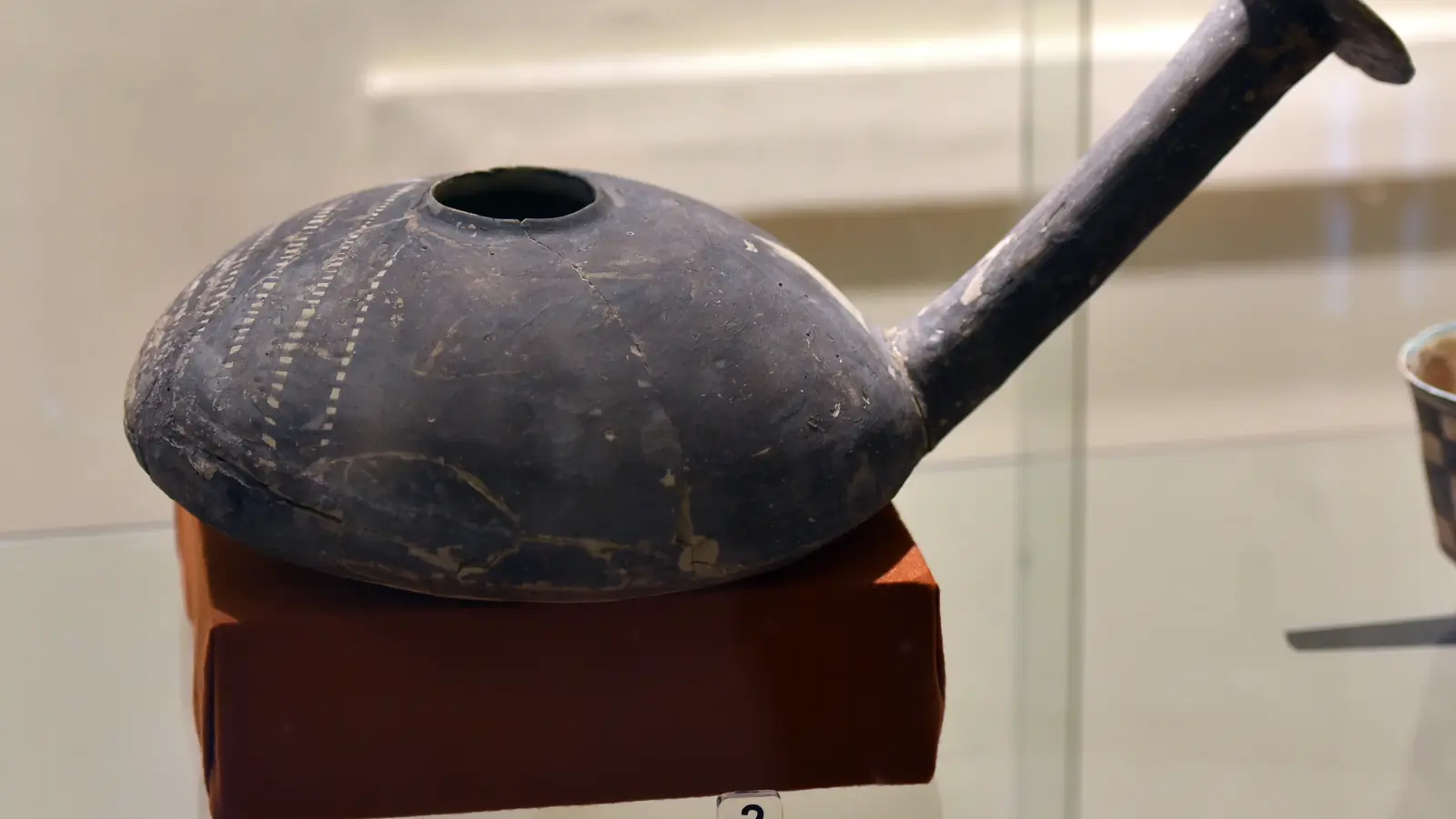
023
Phoenician maritime power, demolished by Rome in 146 BCE. Rebuilt as a Roman city, sacked again, rebuilt again.
Read site history
024
Large Neolithic settlement of closely packed mud-brick houses, generally entered through the roof, with no ordinary streets between the buildings.
Read site history
025
Ceremonial centre with great houses aligned to lunar standstills. Connected to outliers by 650+ kilometres of engineered roads.
Read site history
026
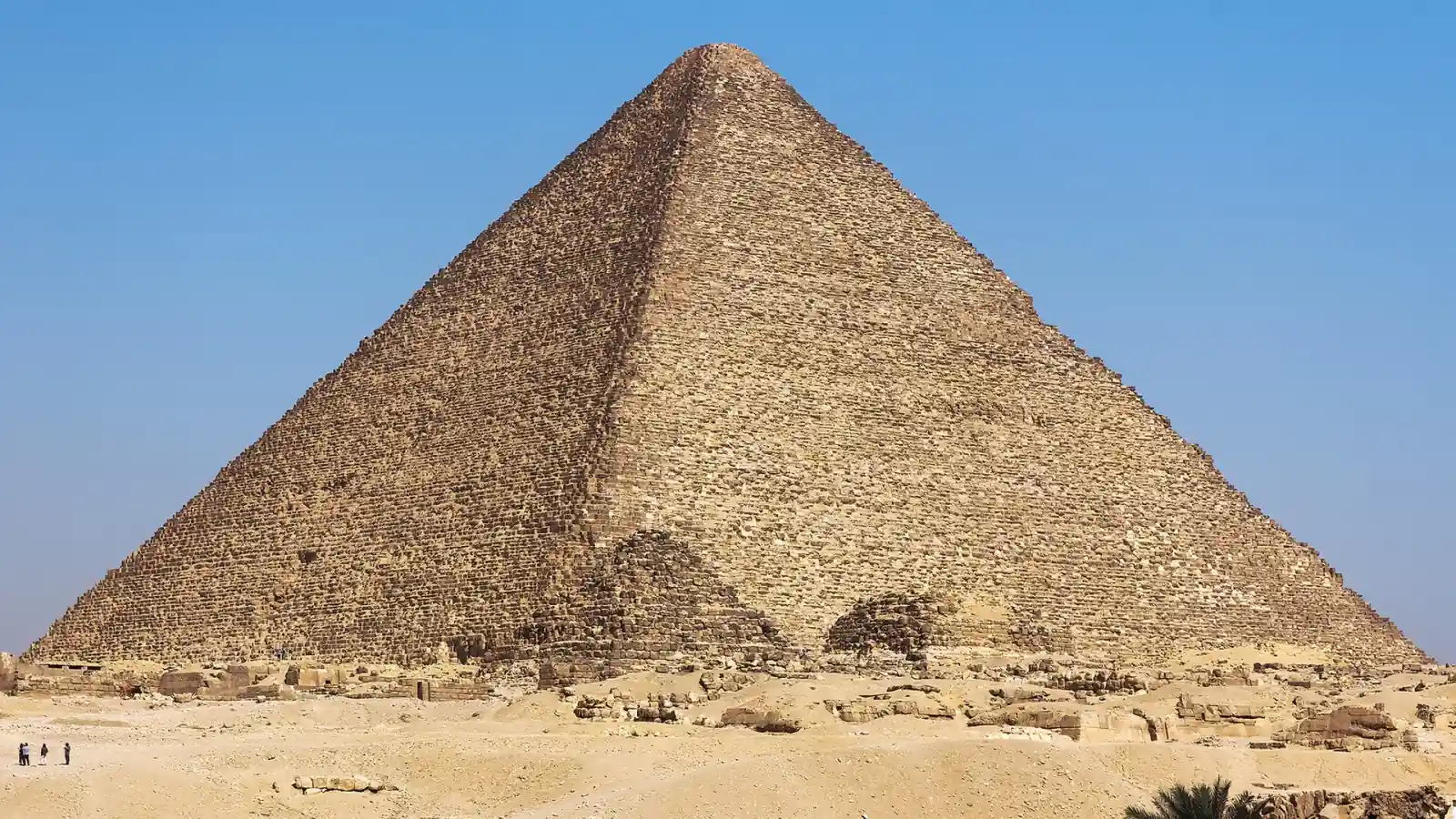
Largest pre-Columbian city in the Americas, built entirely of adobe. Walls bear repeating patterns of seabirds and waves.
Read site history
027
A Greek-founded city in Crimea with an orthogonal plan, vineyard land, public buildings, Roman and Byzantine layers, and a long urban life.
Read site history
028
Best-preserved Elamite ziggurat. Built by Untash-Napirisha, then partially destroyed by Ashurbanipal of Assyria.
Read site history
029
Maya city near the modern Honduran-Guatemalan border. Its Hieroglyphic Stairway is the longest known Maya text.
Read site history
030
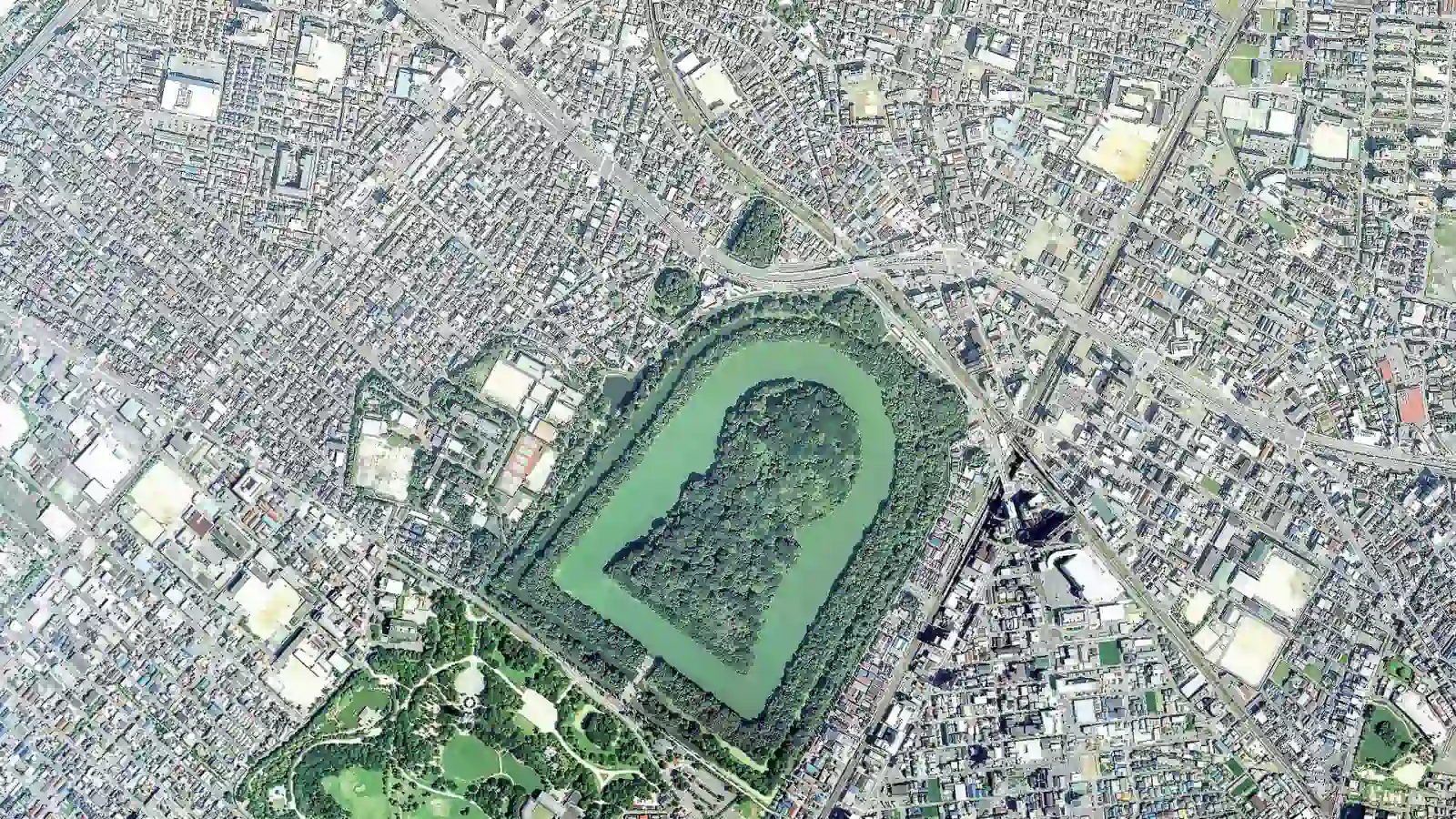
Enormous keyhole-shaped burial mound traditionally associated with Emperor Nintoku. Three moats surround it, and restricted access has left much of its interior unexcavated.
Read site history
031
Eighteen-level subterranean city in Cappadocia, descending 85 metres. Sheltered up to 20,000 people during Arab–Byzantine raids.
Read site history
032
Roman emperor's retirement complex, now the lived-in core of the city of Split. Cellars, peristyle, and mausoleum still in use.
Read site history
033
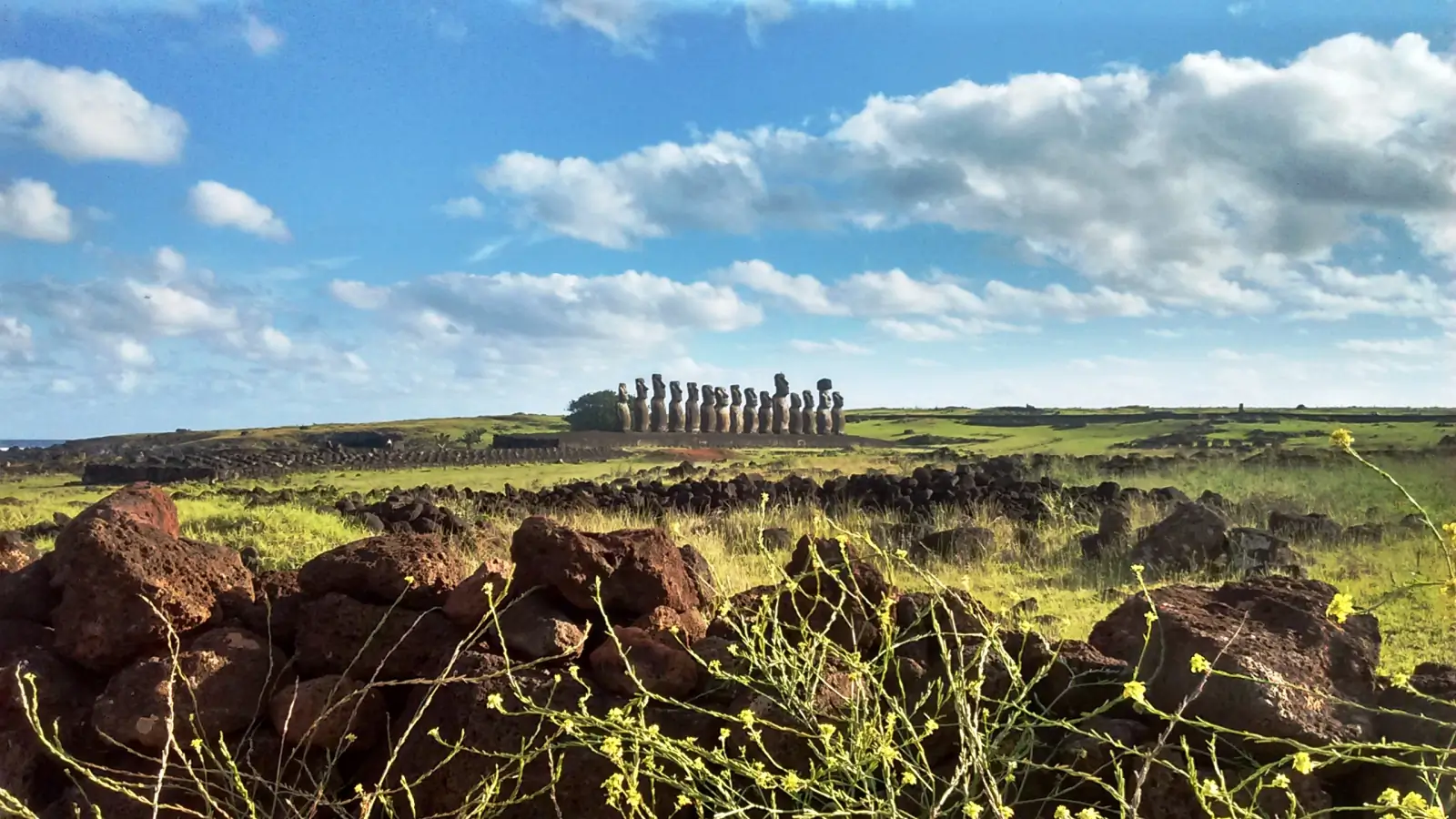
Around 900 monumental figures carved by Rapa Nui communities, many representing ancestors. Numerous moai once stood on ceremonial ahu and were later toppled; several have since been re-erected.
Read site history
034
Maya stepped pyramid dedicated to Kukulkan. Near the equinoxes, light and shadow create a serpent-like pattern beside the northern stairway; its precise ancient meaning remains debated.
Read site history
035
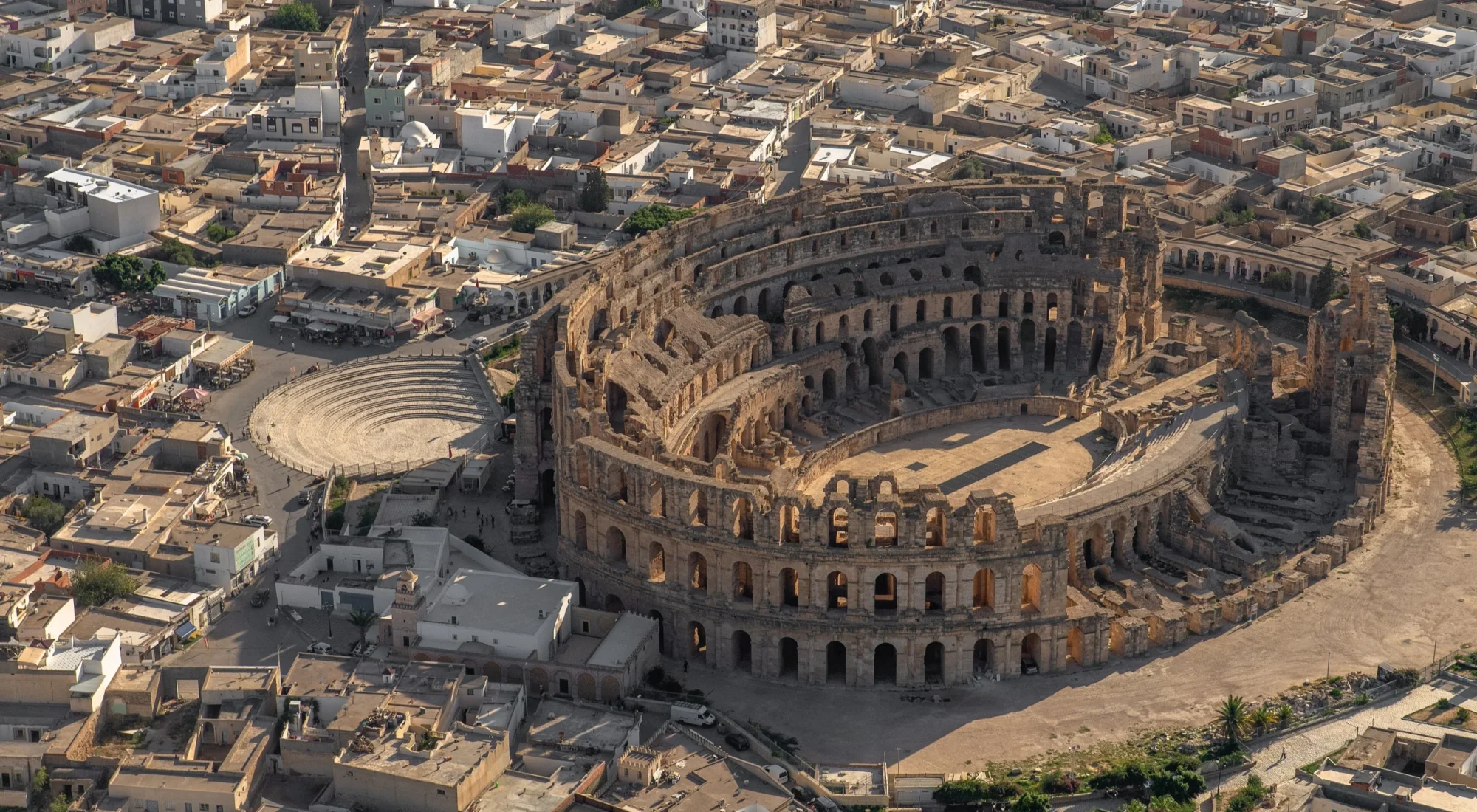
Third-largest Roman amphitheatre, larger than what survives of the Colosseum. Capacity 35,000, in a small town in the Tunisian interior.
Read site history
036
Greek and Roman metropolis, once a port. Silting moved the harbour seven kilometres inland, killing the city.
Read site history
037
Early southern Mesopotamian settlement built around a long sequence of temples. Later Sumerian tradition remembered Eridu as the first city to receive kingship.
Read site history
038
The late Roman palace and memorial complex built for Emperor Galerius in eastern Serbia, with fortifications, temples, baths, mosaics, and imperial mausoleums.
Read site history
039
T-shaped megalithic enclosures predating agriculture, pottery, and writing. Deliberately buried by its builders around 8000 BCE.
Read site historyA vast adobe pyramid enlarged in repeated stages within one of Mesoamerica's longest-lived cities. It now forms a hill crowned by the church of Nuestra Señora de los Remedios.
Read site history
041
The last surviving wonder of the ancient world. It is generally understood to have been built as Pharaoh Khufu's tomb and stood as the world's tallest human-made structure for roughly 3,800 years.
Read site history
042
Monumental limestone figure with a lion's body and human head, carved largely from the Giza bedrock. It is usually associated with Khafre, though details of its commission remain debated.
Read site history
043
Largest stone structure in sub-Saharan Africa before colonialism. European colonists refused to credit African builders for over a century.
Read site history
044
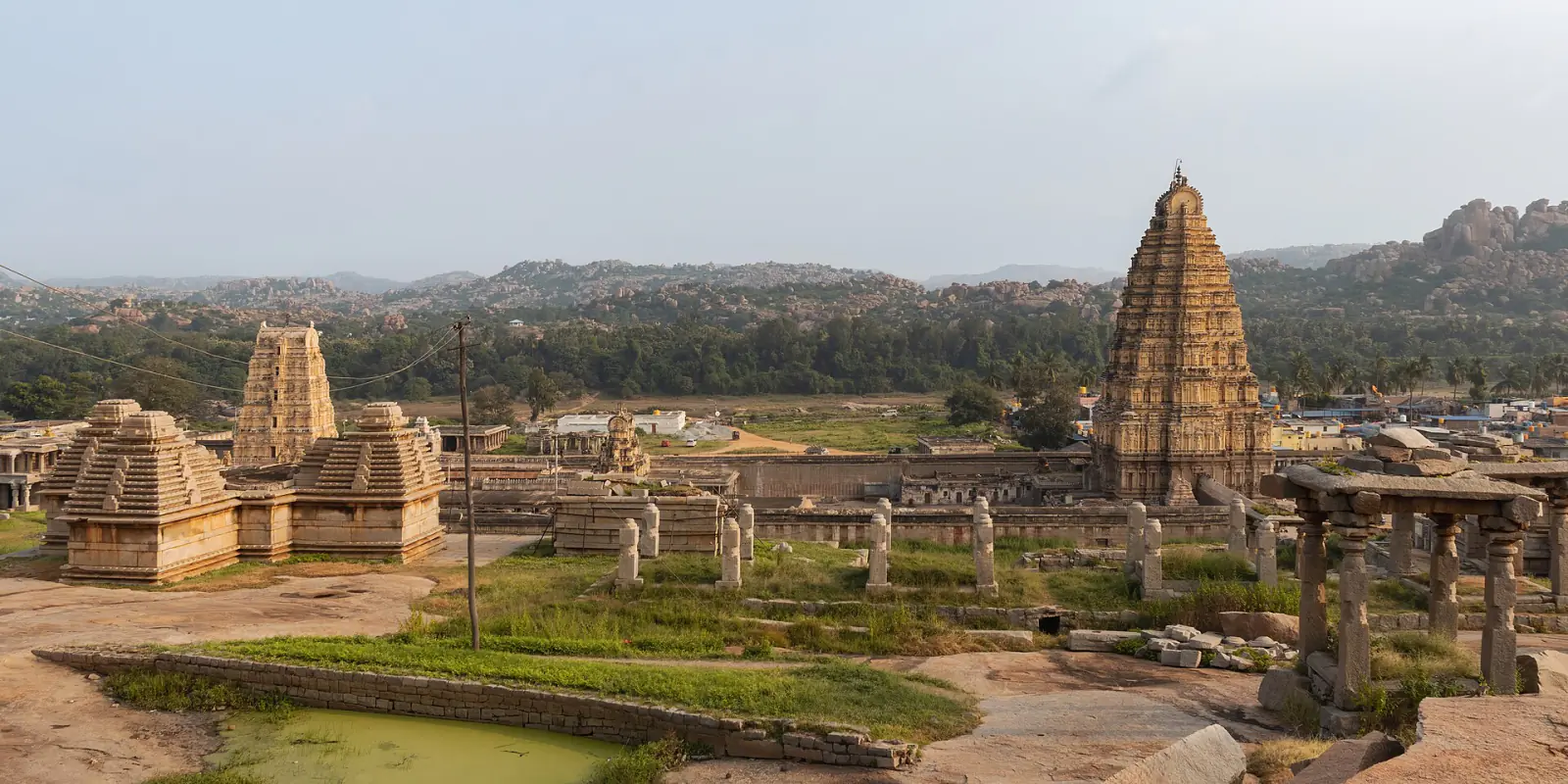
Capital of the Vijayanagara empire, spread among granite hills with temples, markets, waterworks, palaces, and fortified royal enclosures.
Read site history
045
Major Indus city whose excavations helped define the civilisation now named after it. Standardised bricks, weights, seals, drainage, and craft production linked it to a vast regional network.
Read site history
046
Parthian-era walled city in the desert that twice withstood Roman sieges. Damaged by ISIS in 2015.
Read site history
047
Capital of the Hittite empire. Cuneiform tablets here recorded one of the earliest international peace treaties, with Ramesses II.
Read site history
048
Wealthier neighbour of Pompeii, buried in pyroclastic flow that carbonised wood, papyrus, and food. Some scrolls are still being read by particle accelerator.
Read site history
049
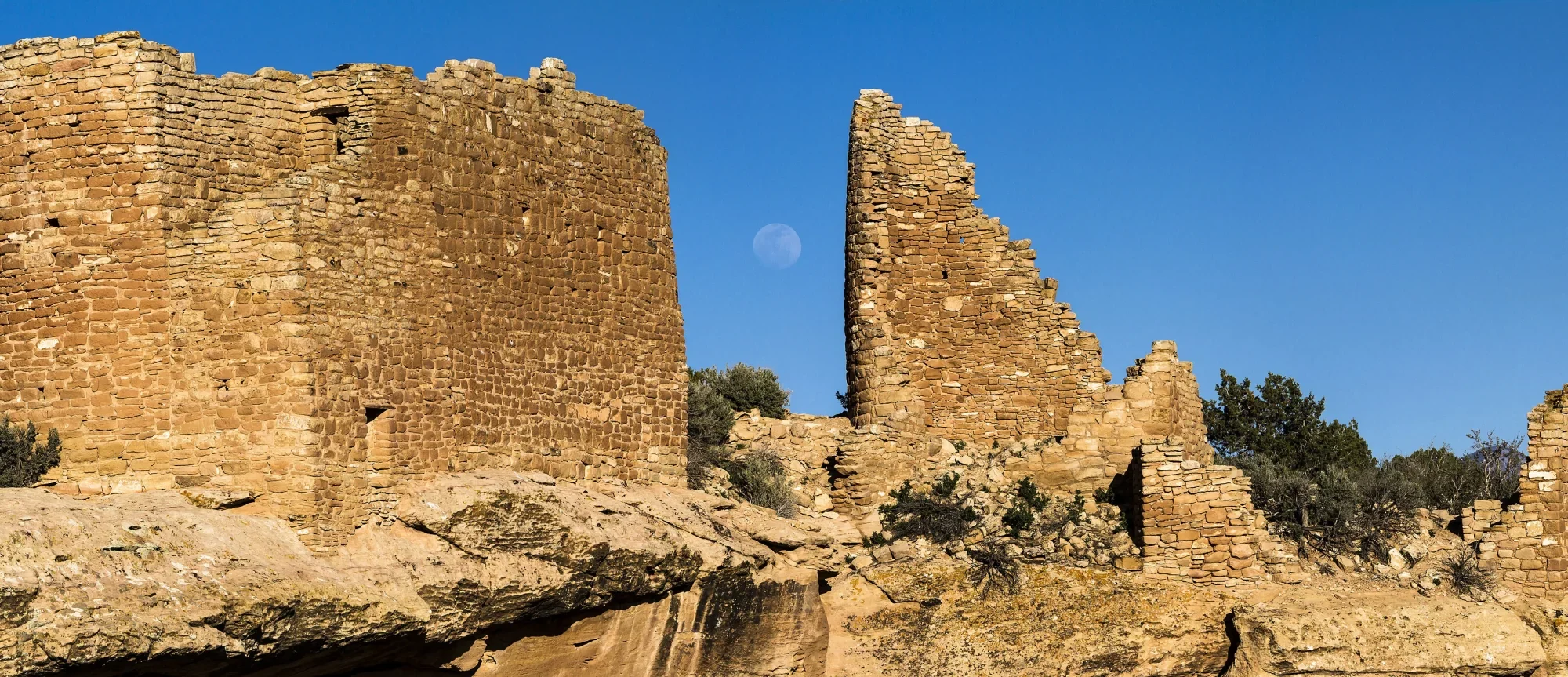
Ancestral Puebloan towers on the Utah-Colorado border. Oriented to track solstices through tiny portholes.
Read site history
050
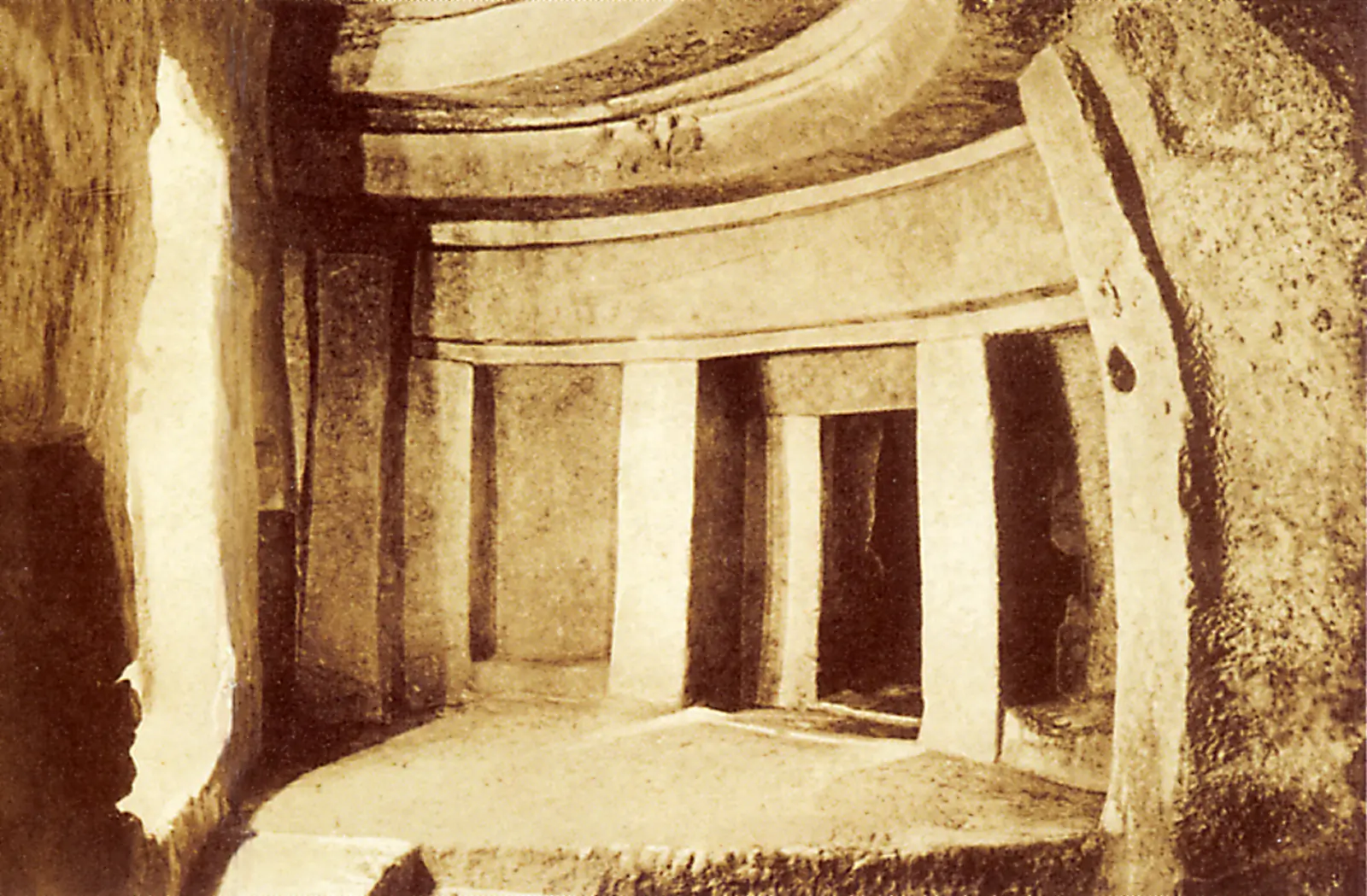
Three-level subterranean necropolis carved entirely by hand from limestone. Acoustic chambers tuned to specific frequencies.
Read site history
051
A Greek colony on Vis with a terraced city, harbour, walls, theatre, cemeteries, coins, and underwater finds across the protected bay.
Read site history
052
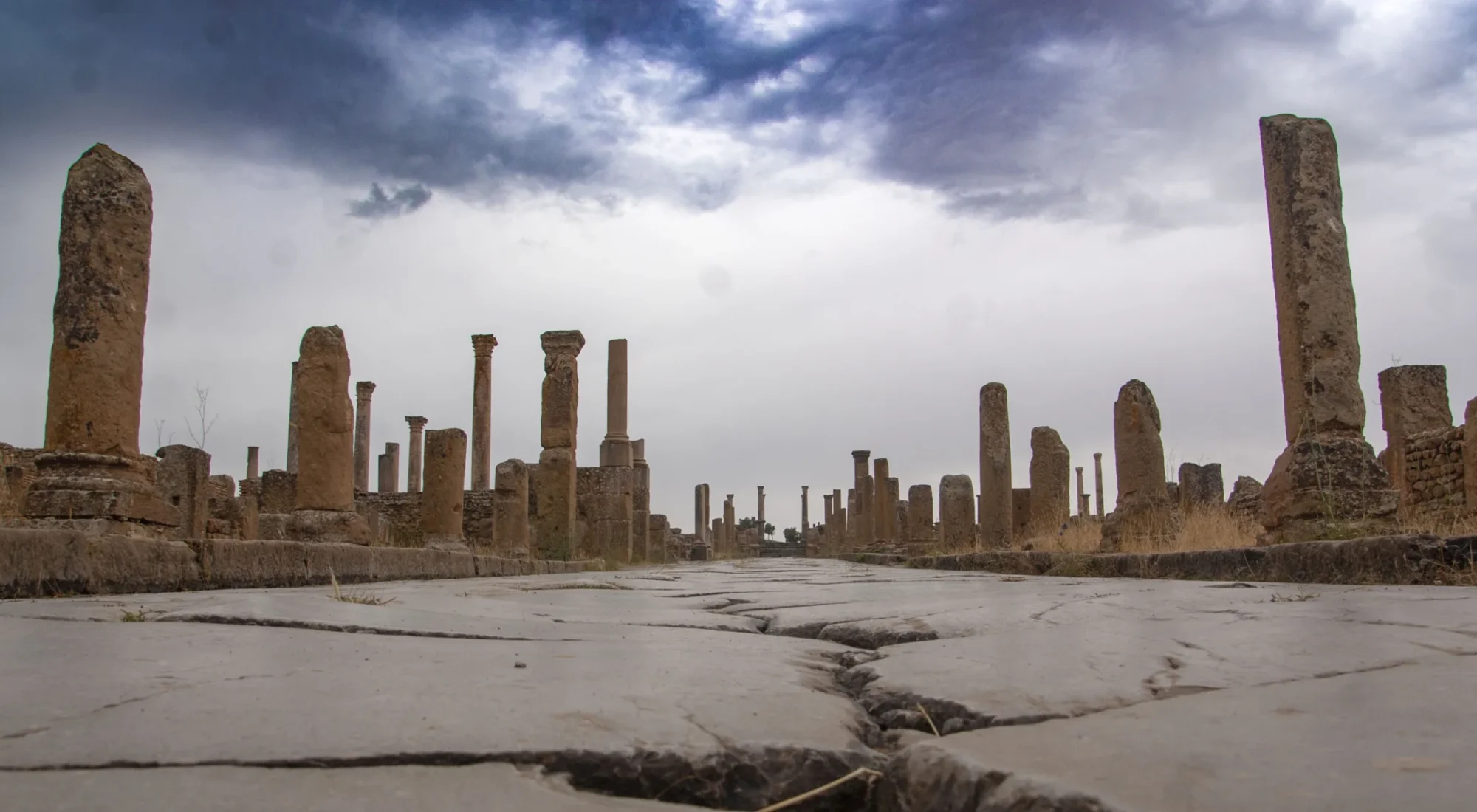
One of the best-preserved Roman provincial cities. The colonnaded Cardo still bears chariot ruts in its paving.
Read site history
053
A sixth-century Byzantine city at Caričin Grad with walls, churches, a palace, streets, baths, and a remarkably short urban life.
Read site history
054
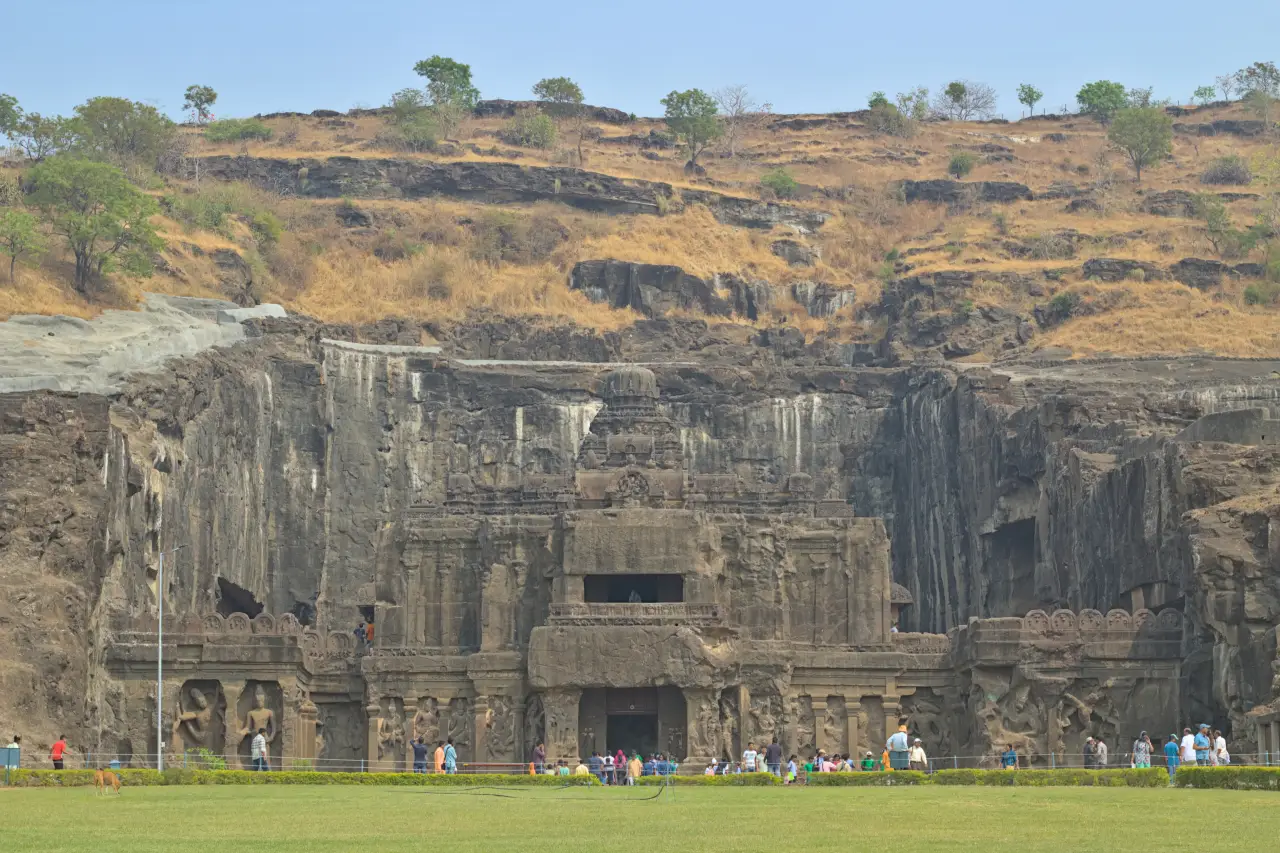
Carved top-down from a single basalt cliff. An estimated 200,000 tonnes of rock removed by hand.
Read site history
055
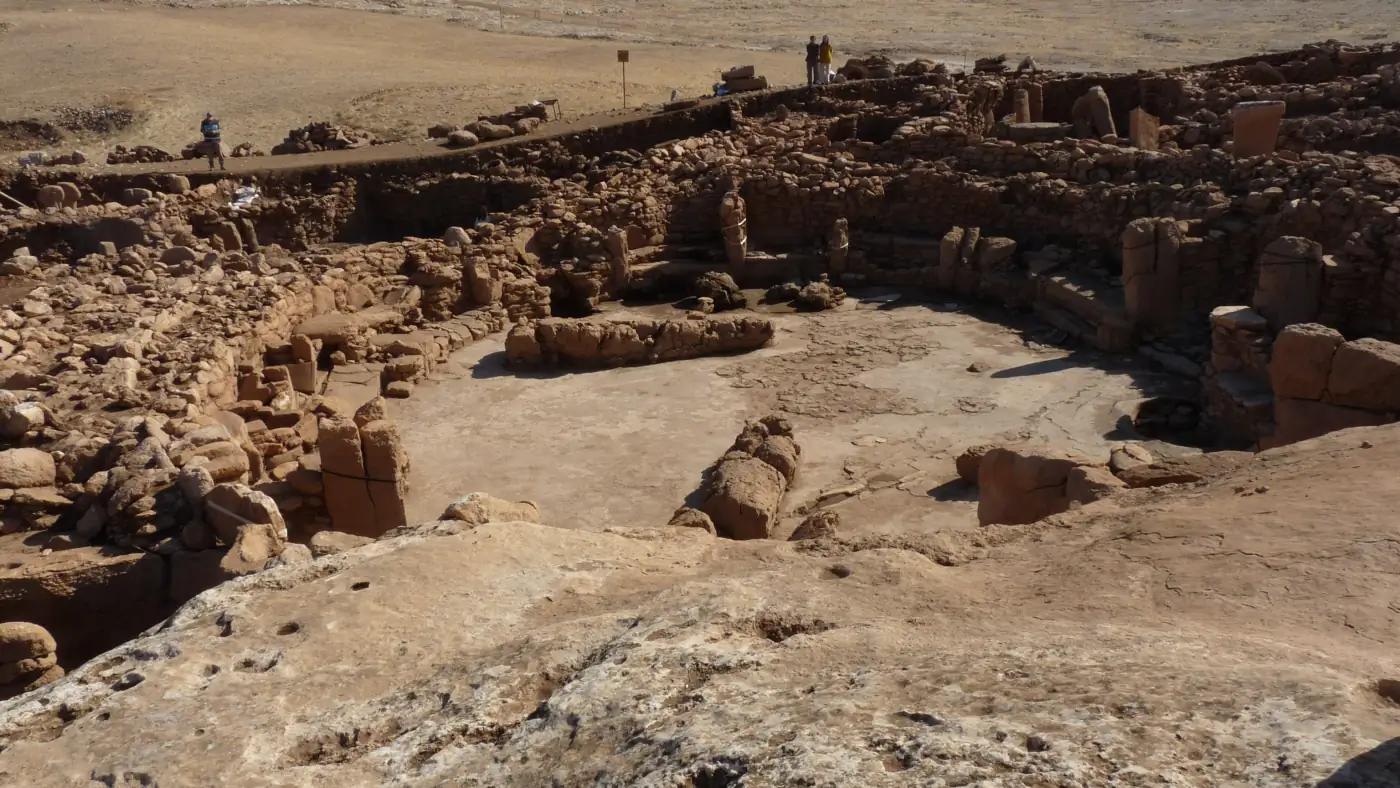
Pre-Pottery Neolithic settlement in the Şanlıurfa region, with domestic areas, T-shaped pillars, carved figures, and communal buildings cut partly into the bedrock.
Read site history
056
Vast temple complex expanded by generations of Egyptian rulers. Its Great Hypostyle Hall contains 134 columns, the tallest rising about 21 metres.
Read site history
057
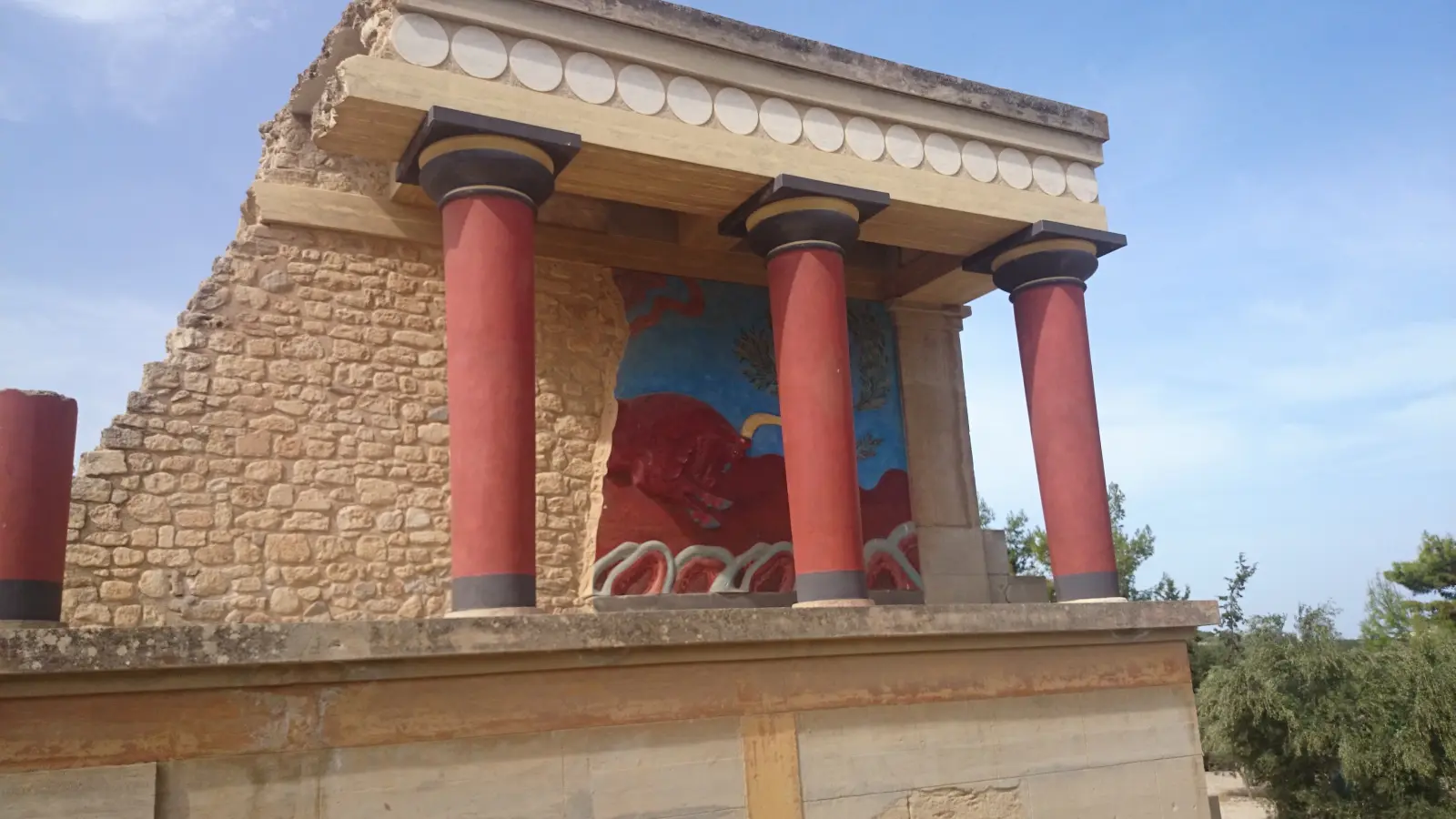
Largest Bronze Age Minoan site. Heavily reconstructed by Arthur Evans in the early 1900s, sometimes with creative liberties.
Read site history
058
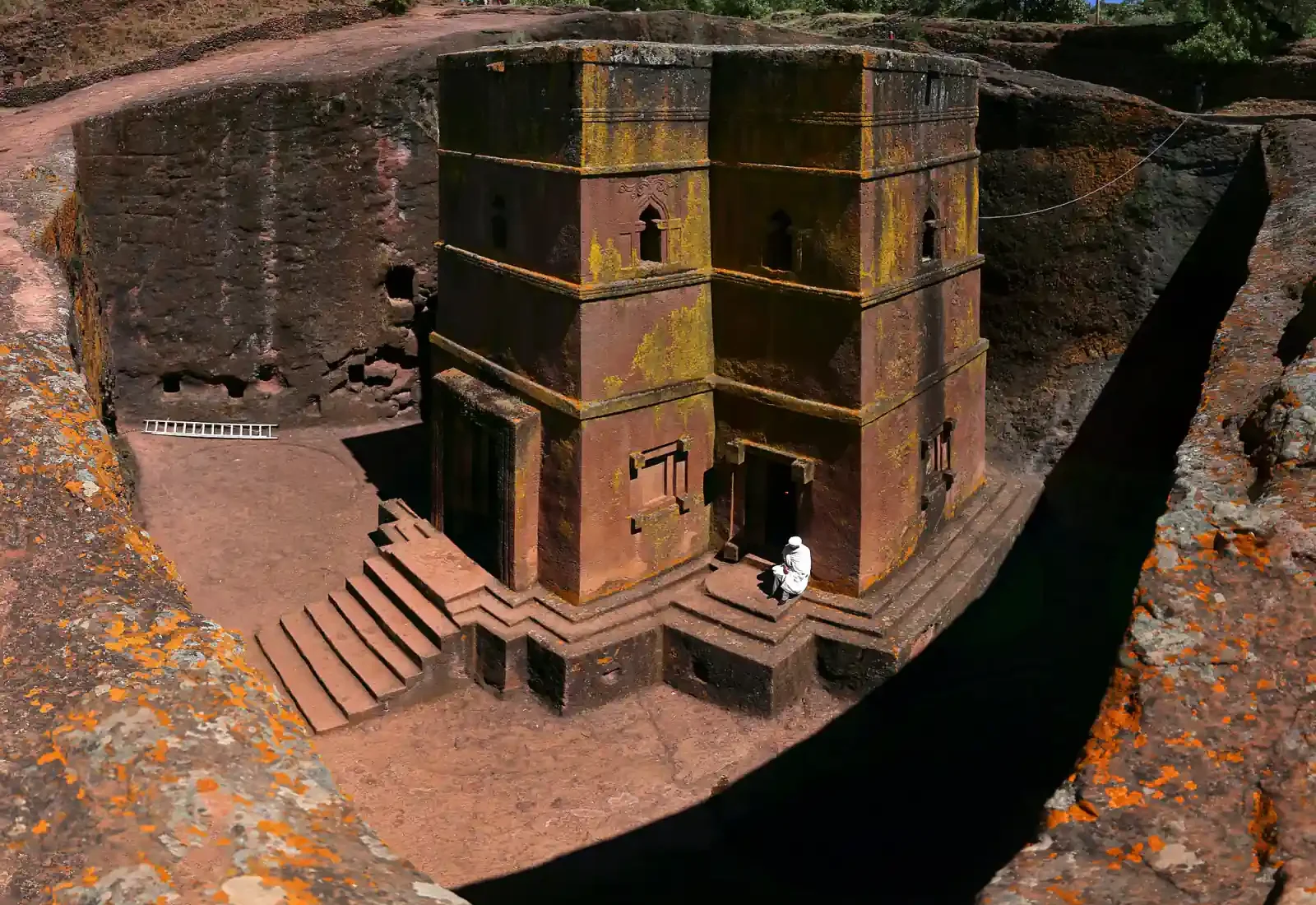
Eleven churches hewn downward from solid rock. Connected by a network of tunnels and trenches still in liturgical use.
Read site historyA long-lived settlement on the Danube known for trapezoid houses, organised communal spaces, burials, fishing, and monumental stone sculptures.
Read site history
060
Roman city under emperor Septimius Severus, who was born there. Spectacularly preserved, with security concerns limiting visitors.
Read site history
061
Temple complex built principally under Amenhotep III and Ramesses II. A ceremonial avenue of human-headed sphinxes connected it with Karnak.
Read site history
062
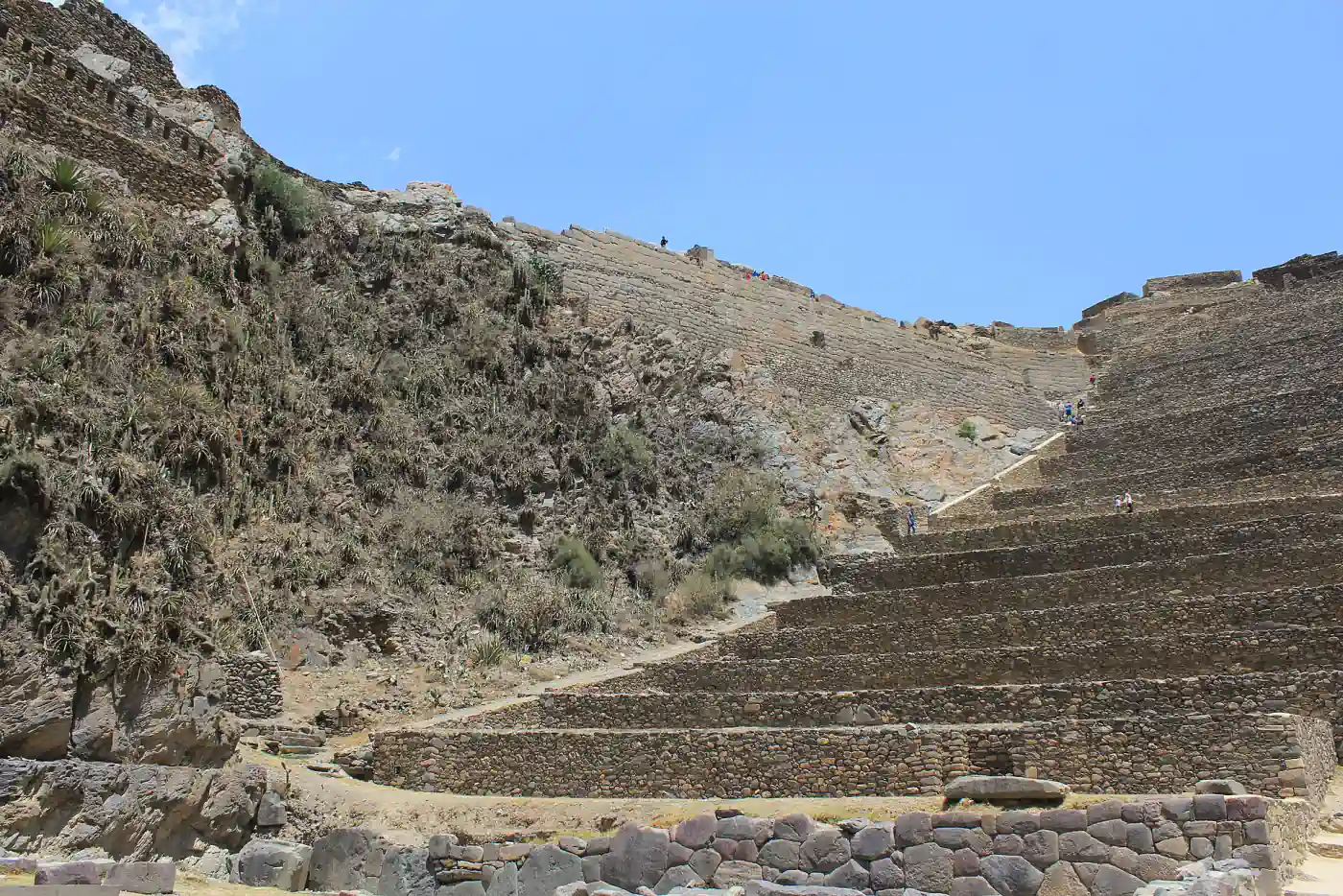
Inca royal estate on a 2,430-metre ridge, with terraces, residences, ritual spaces, and finely fitted stonework adapted to steep mountain terrain.
Read site history
063
An unexcavated earthen pyramid. The Terracotta Army guards its perimeter; the tomb itself remains sealed.
Read site history
064
The richly furnished Early Bronze Age burial of Oshad, excavated in 1897 with gold, silver, animal figures, vessels, and evidence of far-reaching connections.
Read site history
065
Ancestral Pueblo landscape of mesa-top villages, farms, and later cliff dwellings built within sandstone alcoves. Descendant Pueblo communities remain connected to the region.
Read site historyIndus Valley city with grid streets, a covered drainage system, and the Great Bath. Its script remains undeciphered.
Read site historyA large Bronze Age hillfort near Rovinj, enclosed by three dry-stone walls and connected to the northern Adriatic and wider Mediterranean.
Read site history
068
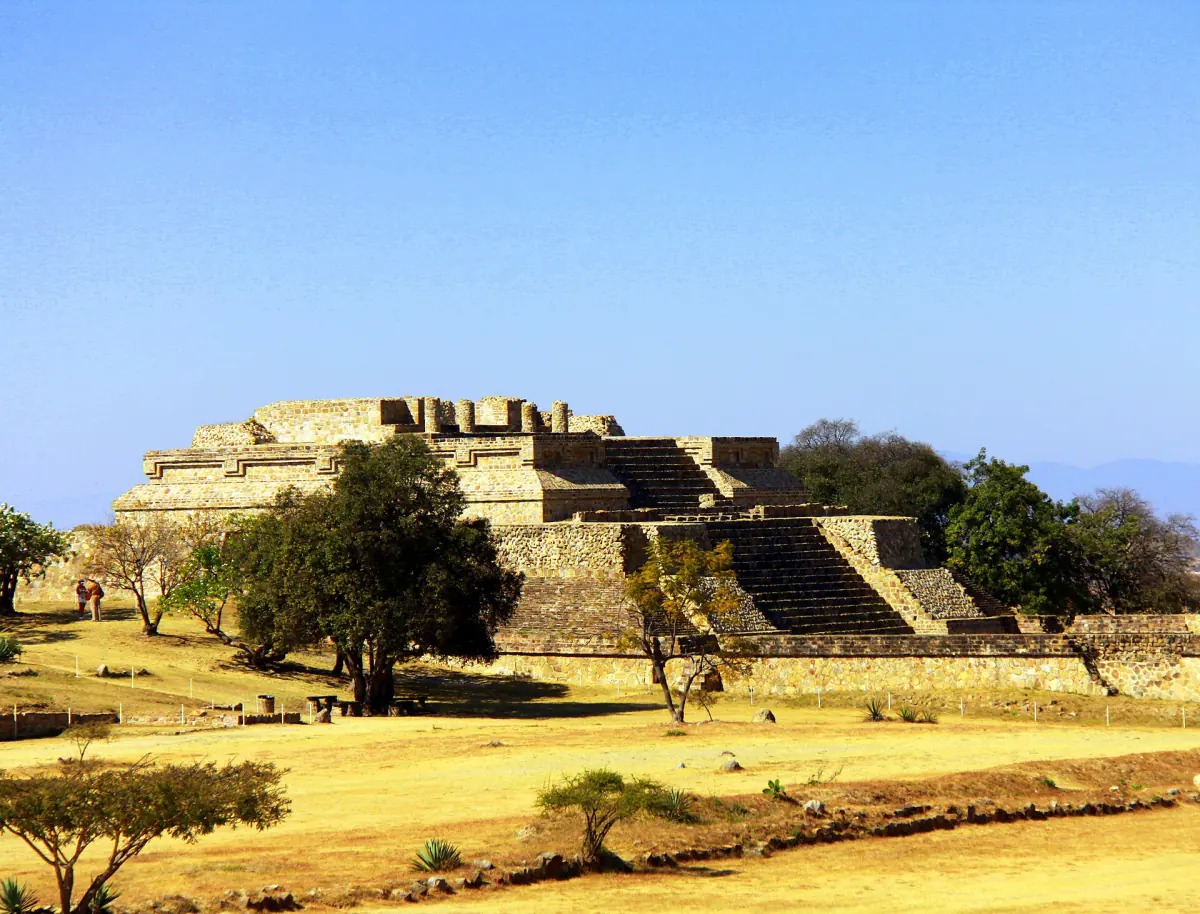
Zapotec capital, levelled atop a flattened mountaintop. The Danzantes carvings depict mutilated captives.
Read site history
069
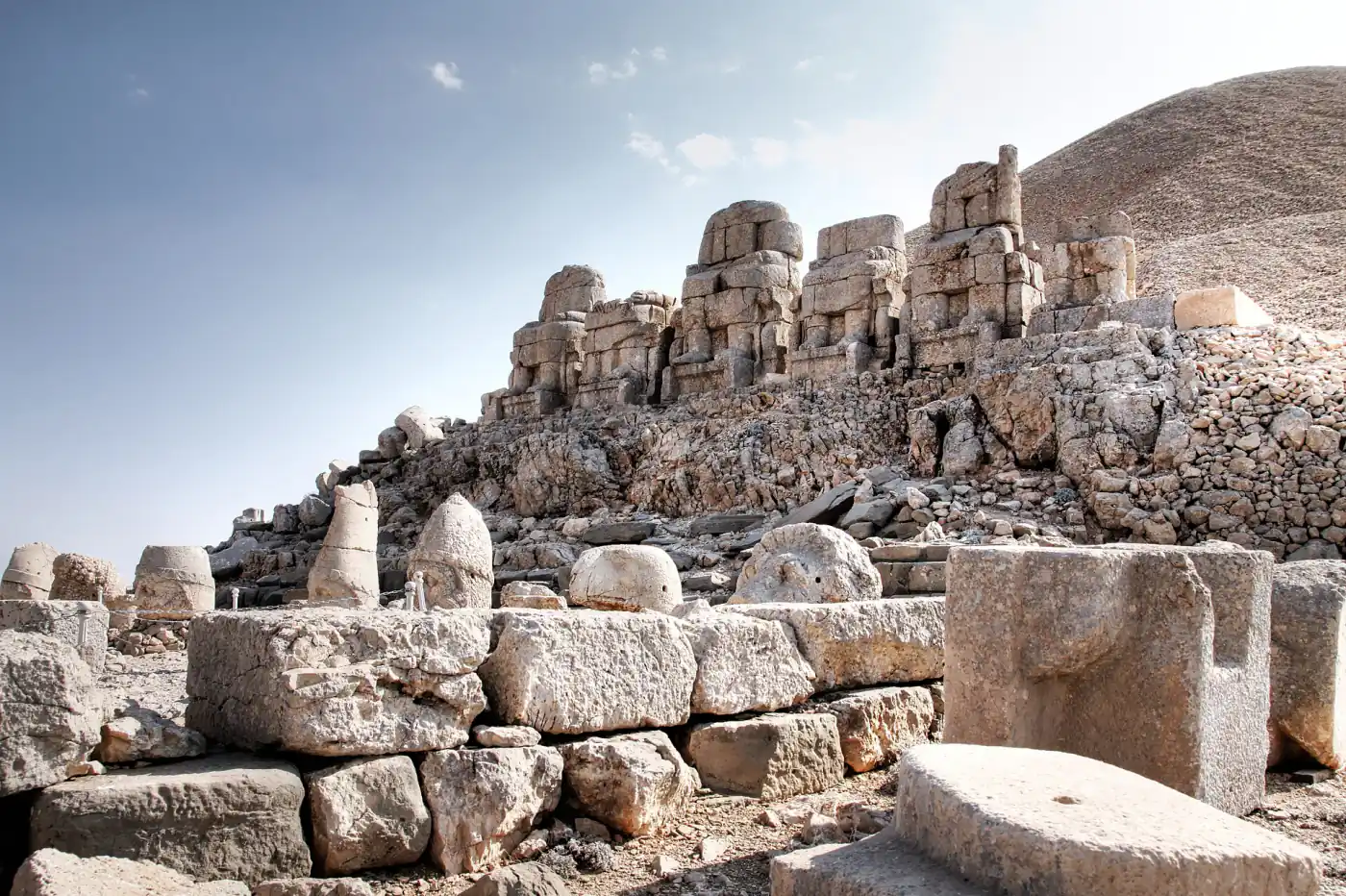
Funerary sanctuary of King Antiochus I of Commagene, centred on a great summit tumulus and terraces lined with colossal figures of gods and royal ancestors.
Read site history
070
Late Bronze Age citadel with massive fortifications, royal shaft graves, palace remains, and the Lion Gate's monumental relief above its entrance.
Read site history
071
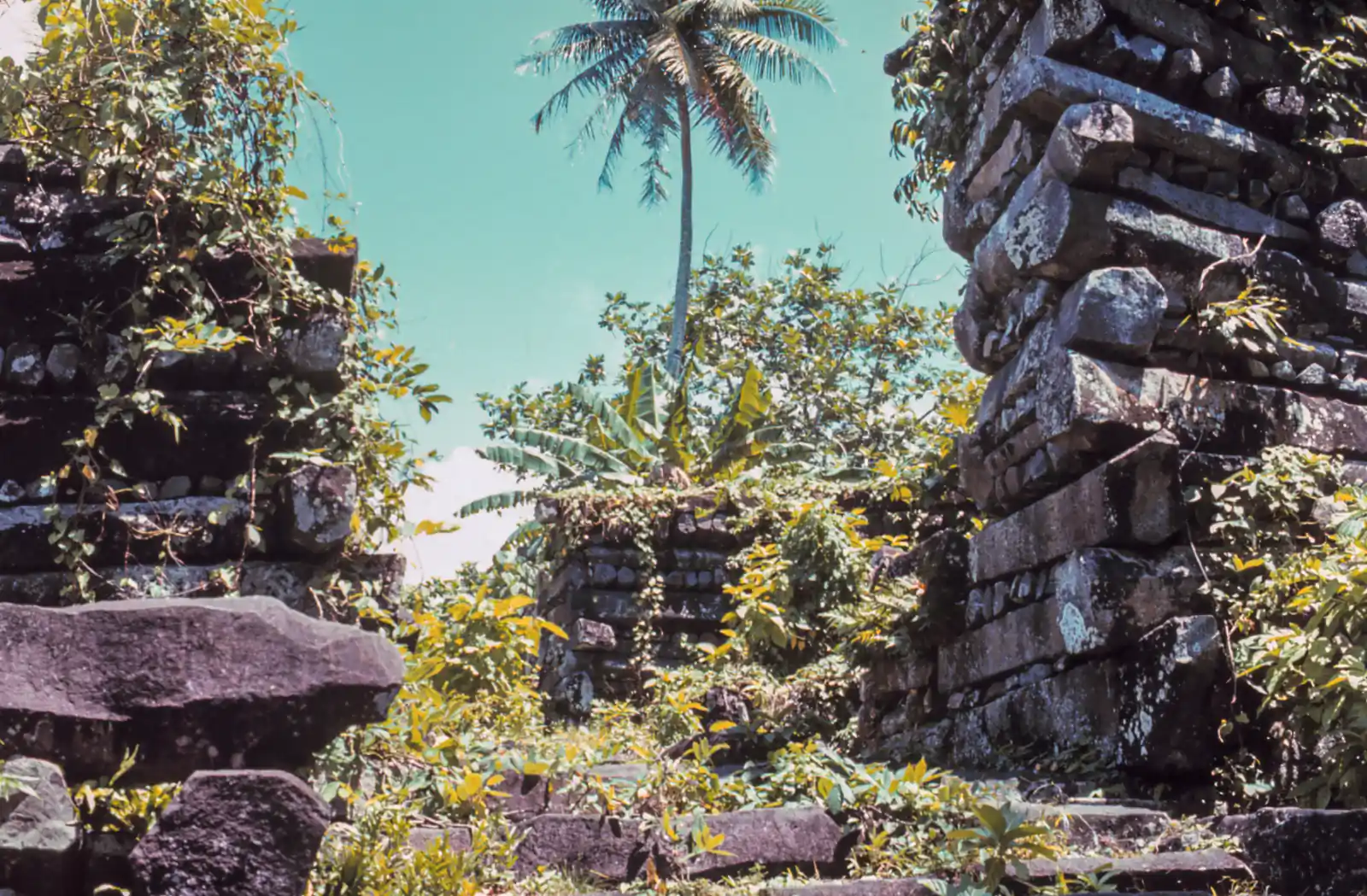
Ceremonial and political centre built across nearly one hundred artificial basalt islets off Pohnpei, linked by tidal channels and enclosed compounds.
Read site historyVast network of desert geoglyphs made by clearing dark surface stones. Straight lines, geometric forms, and figures such as a hummingbird, monkey, and spider cross the plateau.
Read site history
073
The principal centre of the Histri, later rebuilt as a Roman city above Istria's Budava Bay, with walls, graves, baths, and basilicas still visible.
Read site history
074
Passage tomb older than the Giza pyramids. For about 17 minutes at winter solstice, sunlight illuminates the inner chamber.
Read site history
075
Assyrian capital under Ashurnasirpal II. Famously bulldozed and dynamited by ISIS in 2015; reconstruction efforts ongoing.
Read site history
076
Last capital of the Neo-Assyrian empire, sacked by a coalition. Its library contained the Epic of Gilgamesh.
Read site history
077
Bronze Age Nuragic stronghold centred on a stone tower and later surrounded by additional towers, walls, and a village of circular houses.
Read site history
078
Royal Inca estate of Pachacuti, then last stronghold of Manco Inca's resistance. Six pink granite monoliths weighing 50 tonnes each remain unfinished on Temple Hill.
Read site history
079
Rome's port, abandoned as the coastline shifted. Three-storey apartment blocks (insulae) survive intact.
Read site history
080
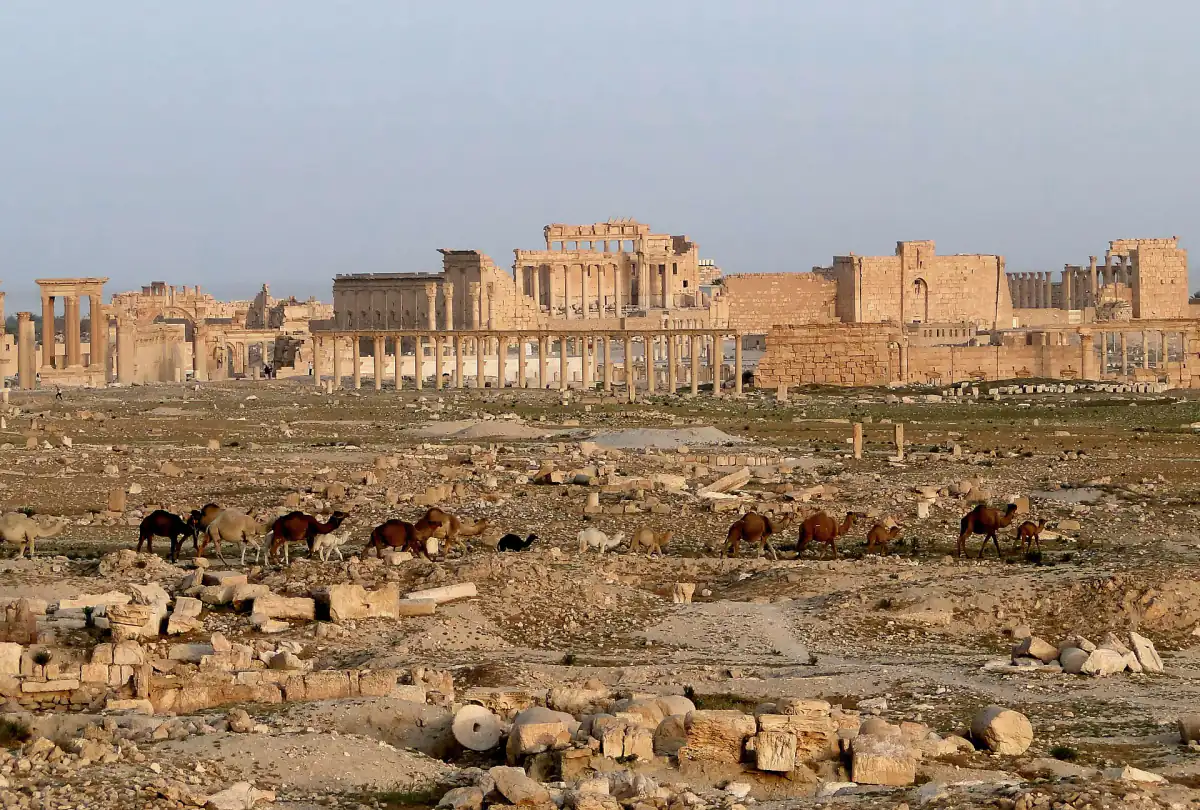
Caravan oasis between Rome and Persia. Significant portions destroyed in 2015–2017; partial restoration is ongoing.
Read site history
081
Hadrianic reconstruction of an earlier Roman temple. Its vast coffered dome, open at the centre through an oculus, remains the world's largest unreinforced concrete dome.
Read site history
082
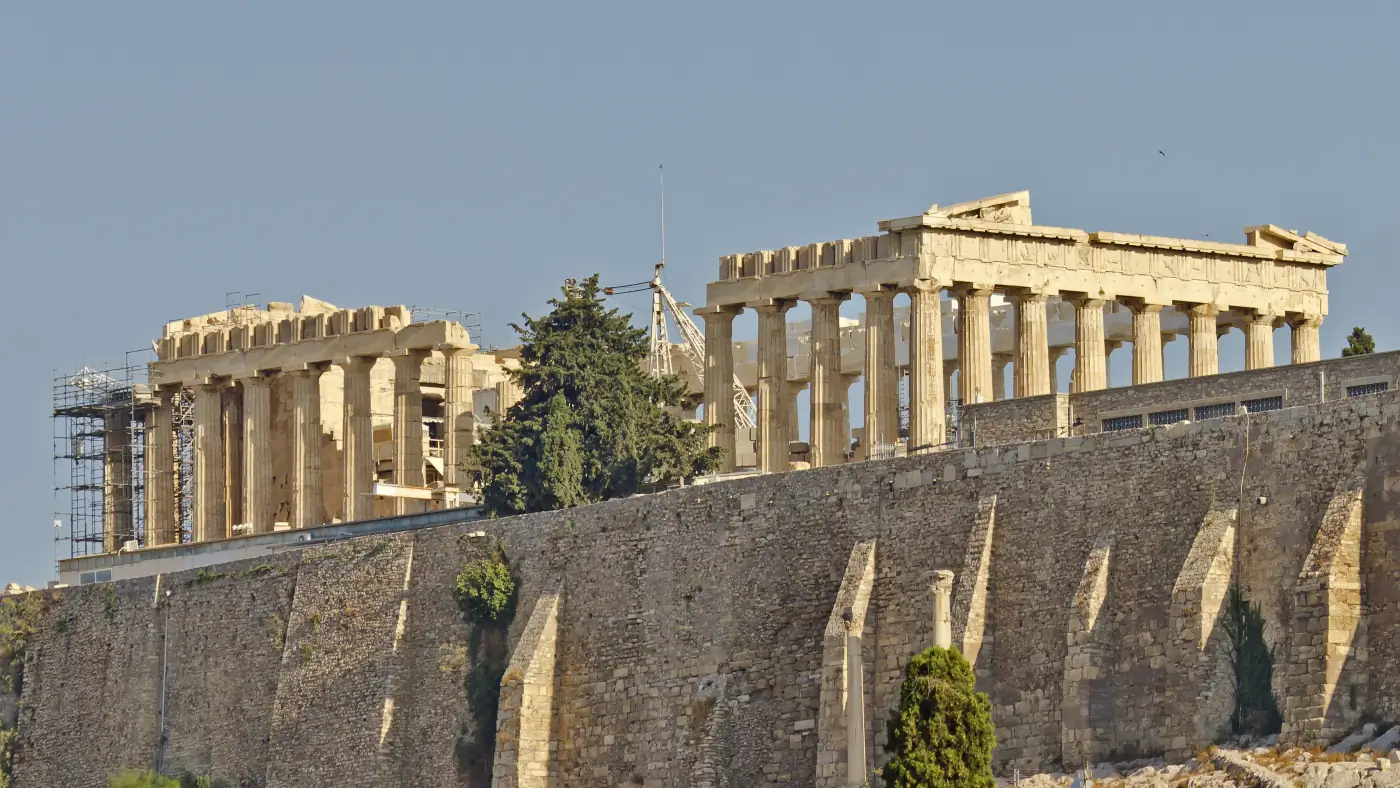
Temple of Athena Parthenos atop the Acropolis. Damaged by Venetian artillery in 1687 when it served as an Ottoman gunpowder store.
Read site history
083
Cyrus the Great's capital, including his austere limestone tomb. Visited and reportedly preserved by Alexander.
Read site history
084
Ceremonial capital of Achaemenid Persia. Burned by Alexander's army in 330 BCE, accidentally, drunkenly, or strategically depending on the source.
Read site historyNabataean rock-cut city in the desert. Lost to the West for over a thousand years until Burckhardt entered it in 1812.
Read site historyA Greek-founded city on the Taman Peninsula with an acropolis, public buildings, necropolises, underwater remains, and more than a thousand years of change.
Read site history
087
The Greek foundation beneath modern Stari Grad on Hvar, established by settlers from Paros and preserved in fragments under a continuously inhabited town.
Read site history
088
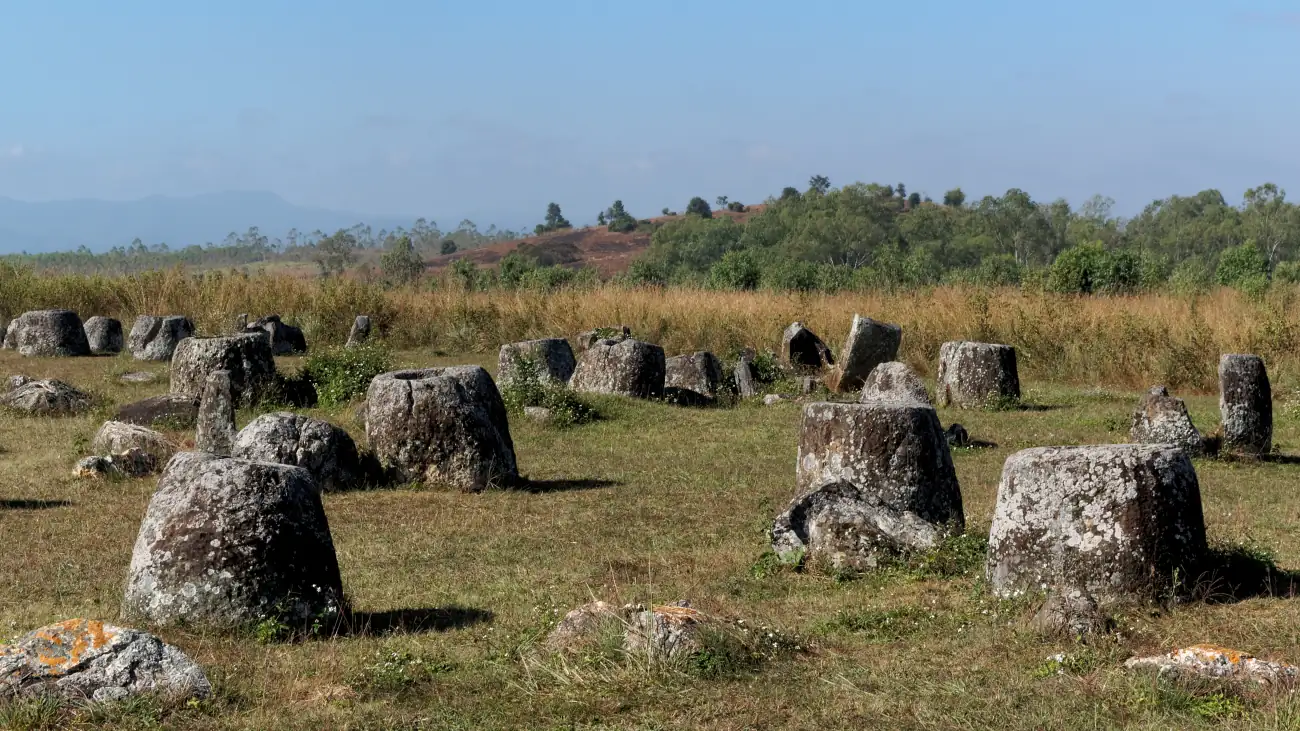
Thousands of carved stone jars scattered across a high plateau. Heavily contaminated with unexploded ordnance from the Vietnam-era bombing.
Read site history
089
Roman city sealed by Vesuvius. Casts of victims, made by pouring plaster into voids in the ash, are themselves now historical artefacts.
Read site history
090
Concentric earthen ridges in Louisiana built by hunter-gatherers. Among the largest earthworks ever made by a non-agricultural society.
Read site history
091
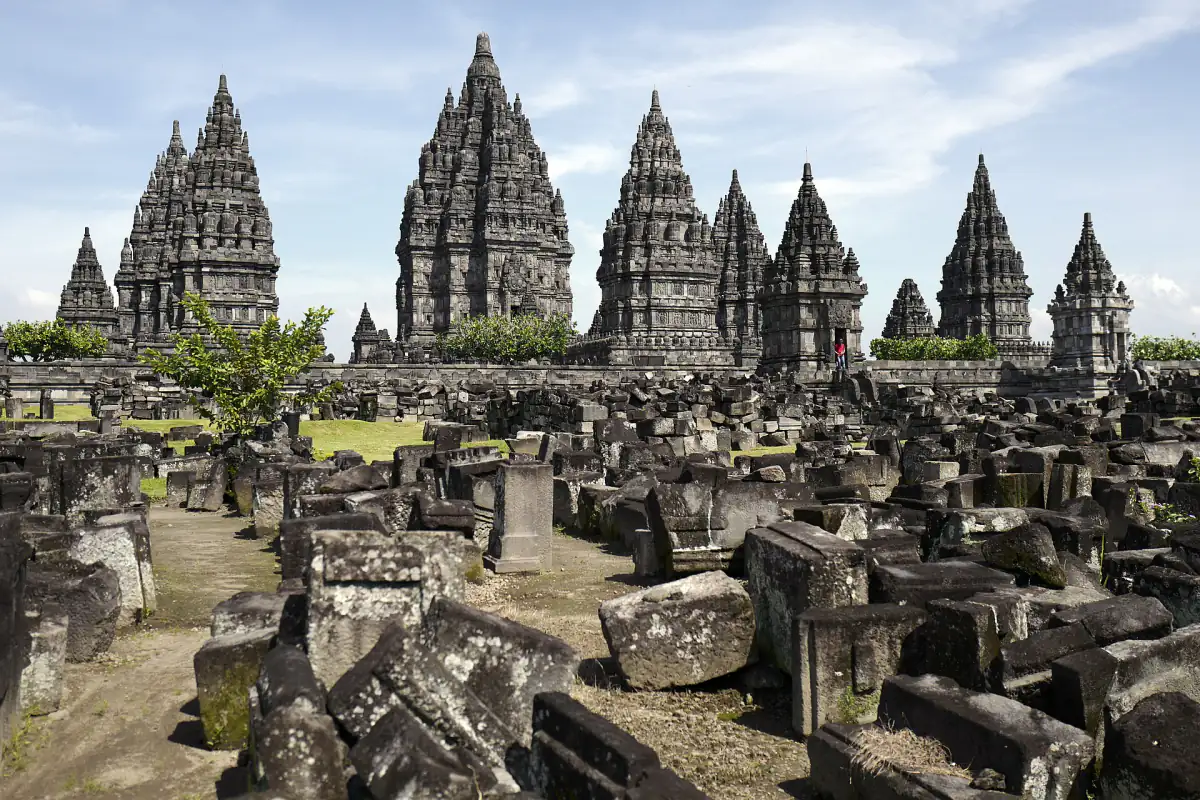
Trio of Hindu spires dedicated to Shiva, Vishnu, and Brahma. Toppled by an earthquake in the 16th century, partially restored.
Read site history
092
Exceptionally well-preserved Roman amphitheatre whose complete outer wall retains two tiers of arches, an upper level, and four distinctive stair towers.
Read site history
093
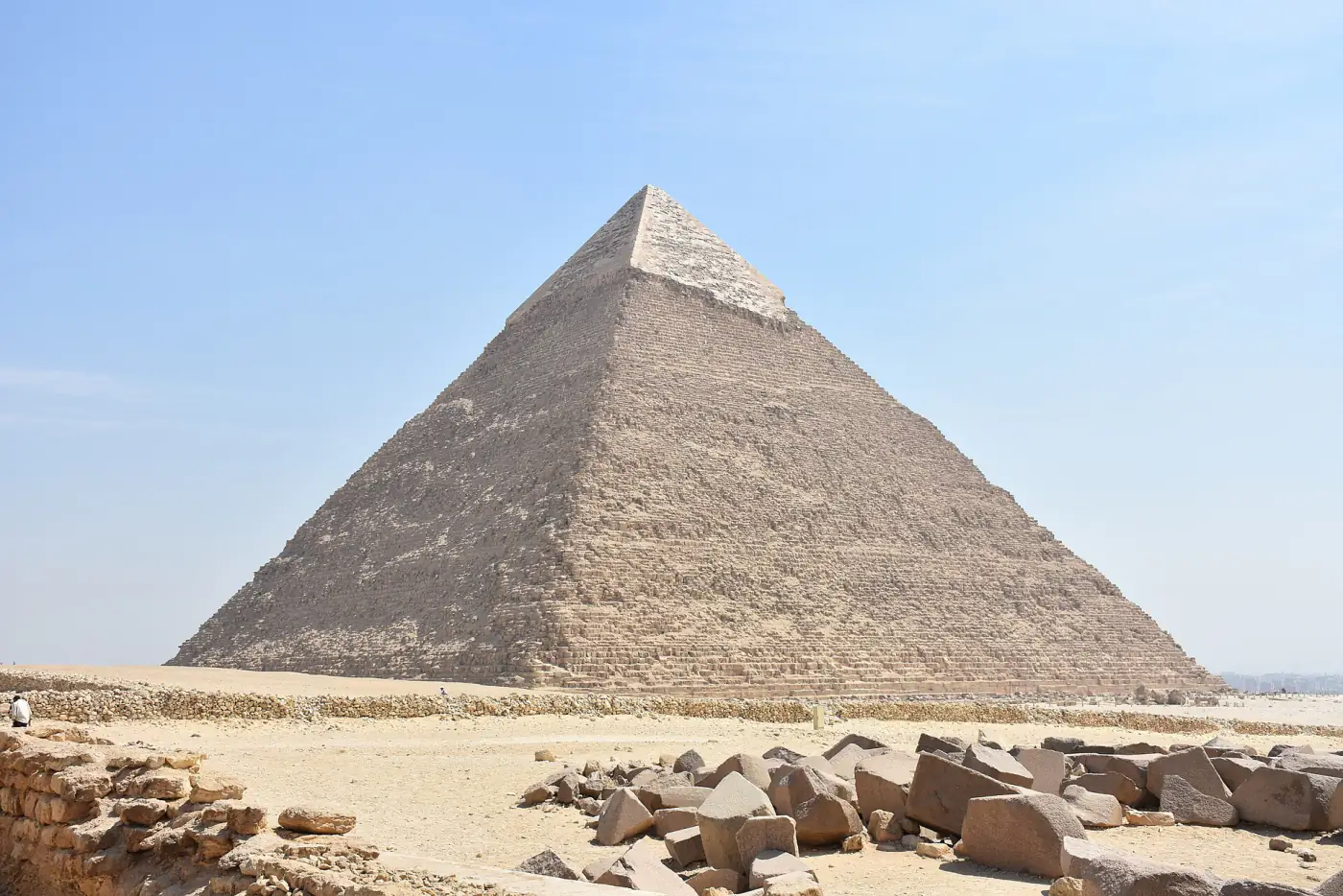
Second-largest pyramid at Giza, still bearing remnants of its original limestone casing near the apex. Its funerary complex is closely associated with the Great Sphinx.
Read site history
094
Oval-based Puuc-style pyramid. Legend claims it was built in a single night by a dwarf hatched from an egg.
Read site history
095
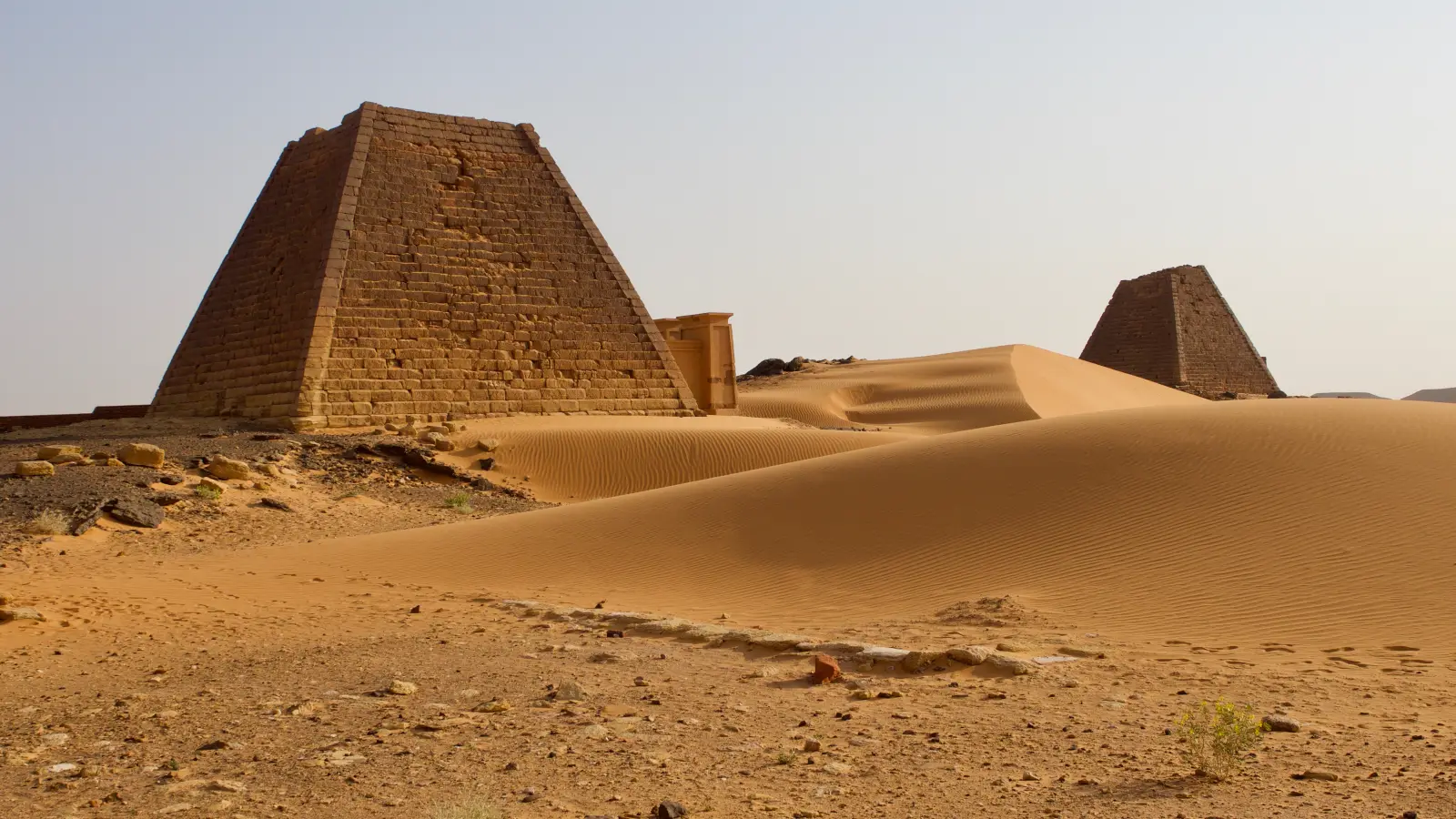
Royal cemeteries of the Kingdom of Kush near Meroë. Roughly 140 pyramidal superstructures stand among more than 1,000 graves.
Read site history
096
Sneferu's large smooth-sided pyramid at Dahshur, built at a gentler angle after the Bent Pyramid. Its reddish core was once covered in white Tura limestone.
Read site historyInca complex above Cusco with three monumental zigzag terraces of closely fitted polygonal masonry. It served ceremonial and political roles as well as providing a defensible position.
Read site history
098
Roman capital of Dalmatia. Birthplace of Diocletian and the largest Roman ruin field on the Croatian coast.
Read site history
099
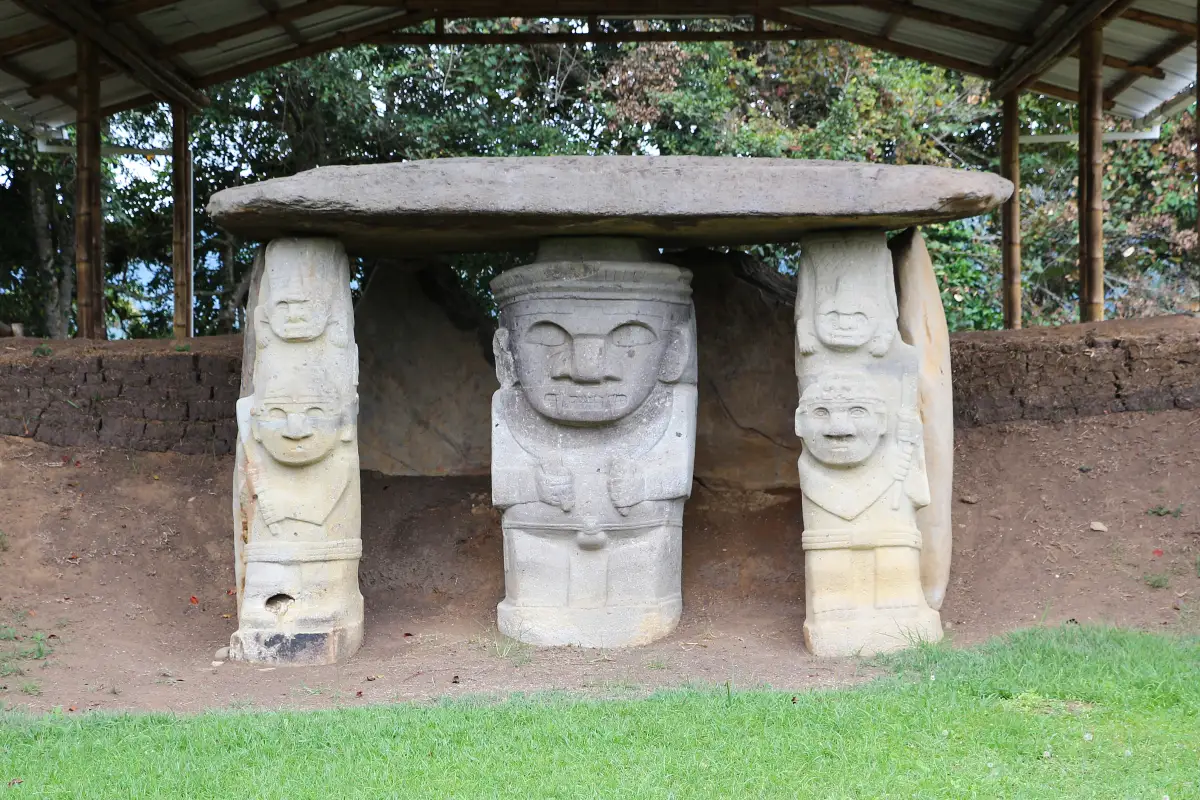
Largest cluster of pre-Columbian megalithic statuary in South America. Hundreds of stone figures guarding burial mounds in the upper Magdalena valley.
Read site historyA Buddhist sacred complex founded under Ashoka and expanded for centuries. The Great Stupa, carved gateways, monasteries, temples, and inscriptions trace changing traditions of worship.
Read site history
101
Purpose-built granite grotto containing a monumental seated Buddha and sculpted attendants, arranged as a carefully designed Buddhist cave sanctuary.
Read site history
102
Royal palace and fortress on a 200-metre rock pillar, with frescoes of celestial maidens half-way up and a mirror wall once polished to a reflective sheen.
Read site history
103
The Roman city and fortress at the meeting of the Sava and Danube, with a legionary camp, streets, walls, baths, cemeteries, and layers beneath Belgrade.
Read site history
104
A fortified Bronze Age settlement in the southern Urals known for metalworking, complex burials, and some of the earliest well-attested spoke-wheeled chariots.
Read site historyA Roman city on the Sava and imperial centre of the late empire, with a palace, circus, baths, villas, mosaics, and streets beneath Sremska Mitrovica.
Read site history
106
Neolithic stone village in Orkney, exposed by an 1850 storm. Older than Stonehenge, with built-in stone furniture.
Read site history
107
The earliest colossal stone monument in Egypt, designed by Imhotep. Six stacked mastabas marking the genesis of pyramid building.
Read site history
108
Sarsen circle and bluestone arrangement on Salisbury Plain. The bluestones travelled 240 kilometres from the Preseli Hills.
Read site history
109
A Greek-founded port at the mouth of the Don that connected the Bosporan world with peoples and trade routes of the northern Black Sea steppe.
Read site history
110
Crossroads of Persian, Greek, Mauryan, and Buddhist culture. Site of one of the earliest universities in the world.
Read site history
111
Seat of the Pythia, oracle of the ancient world. Built atop a fissure venting hydrocarbon gases, possibly the source of her trances.
Read site history
112
Terraced mortuary temple of Hatshepsut at Deir el-Bahari, set against the cliffs and decorated with scenes of royal ritual, trade, and divine birth.
Read site historyFunerary pyramid of K'inich Janaab' Pakal, sealed for 1,300 years until Alberto Ruz Lhuillier opened the crypt in 1952.
Read site history
114
Aztec capital and twin pyramid, dismantled by the Spanish to build Mexico City on top of it. Excavated since 1978.
Read site history
115
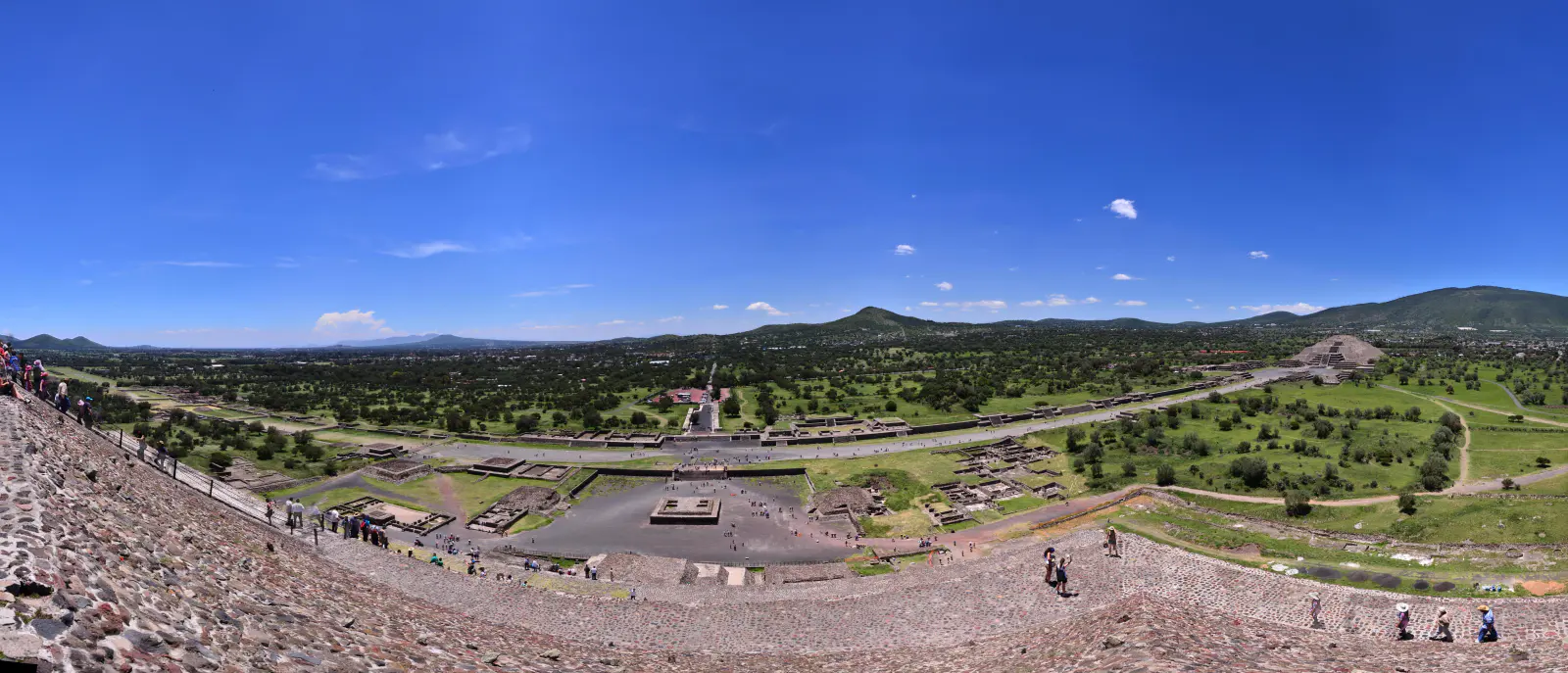
One of the largest cities in the ancient Americas, organised around the Avenue of the Dead, massive pyramids, and planned residential districts.
Read site history
116
A major Maya political centre whose temples, palaces, plazas, reservoirs, and homes extend across the rainforest of northern Guatemala.
Read site history
117
Roman colony founded under Trajan with a formal street grid, forum, theatre, baths, and later expansion beyond its original plan. Its surviving layout makes Roman urban planning unusually legible.
Read site history
118
Pre-Inca capital on the Bolivian altiplano. The Gateway of the Sun is monolithic; the Akapana platform mound is the largest ever built in the region.
Read site history
119
Nine cities stacked on one hill. Heinrich Schliemann blasted through the lower layers in his hunt for Homeric Troy, destroying much of it.
Read site history
120
Bronze Age port whose archive of clay tablets revealed the Ugaritic alphabet, one of the earliest. Destroyed in the Late Bronze Age collapse.
Read site history
121
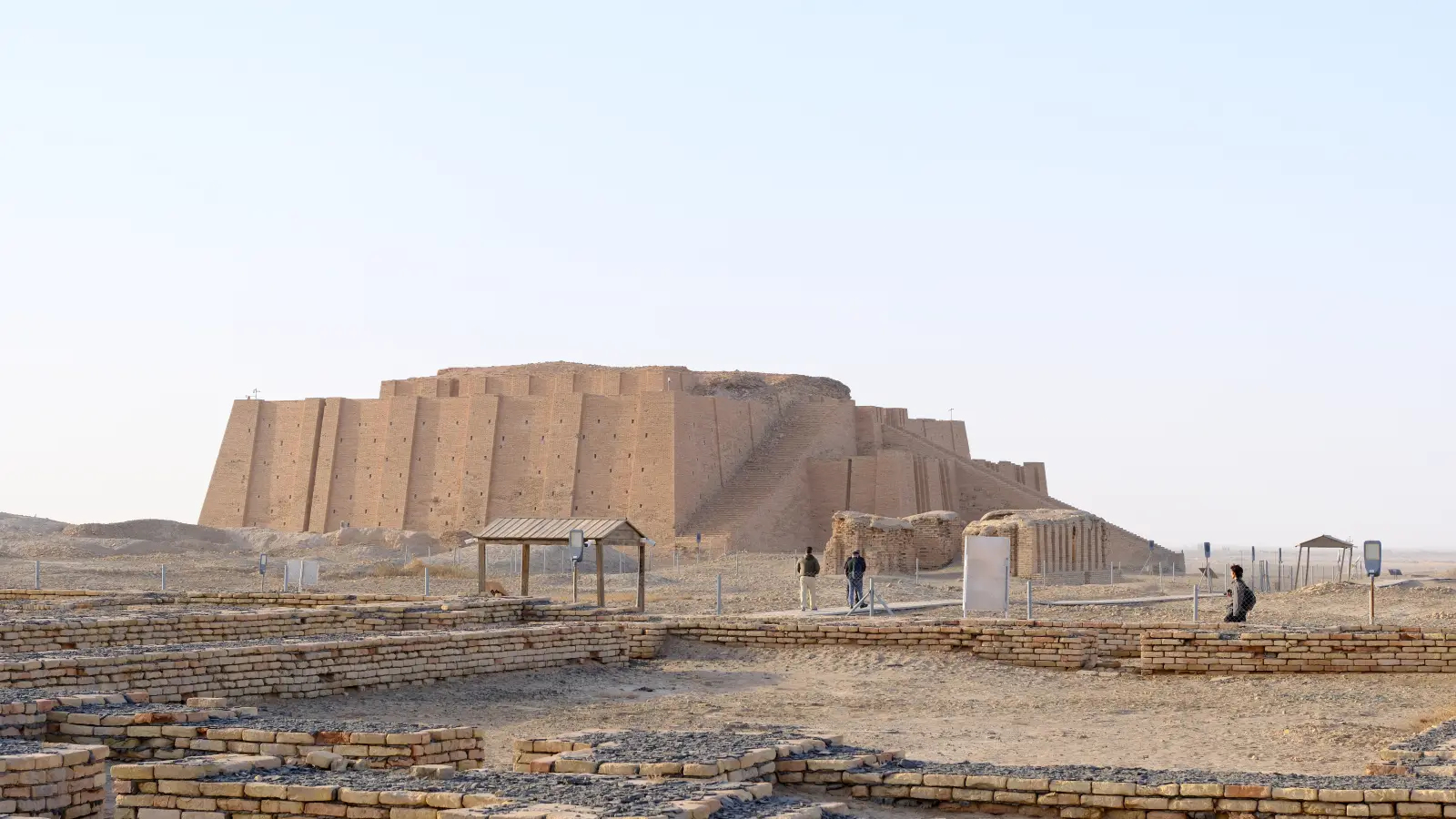
Sumerian city of the great ziggurat, traditionally linked to Abraham. Ziggurat partly restored under Saddam Hussein.
Read site history
122
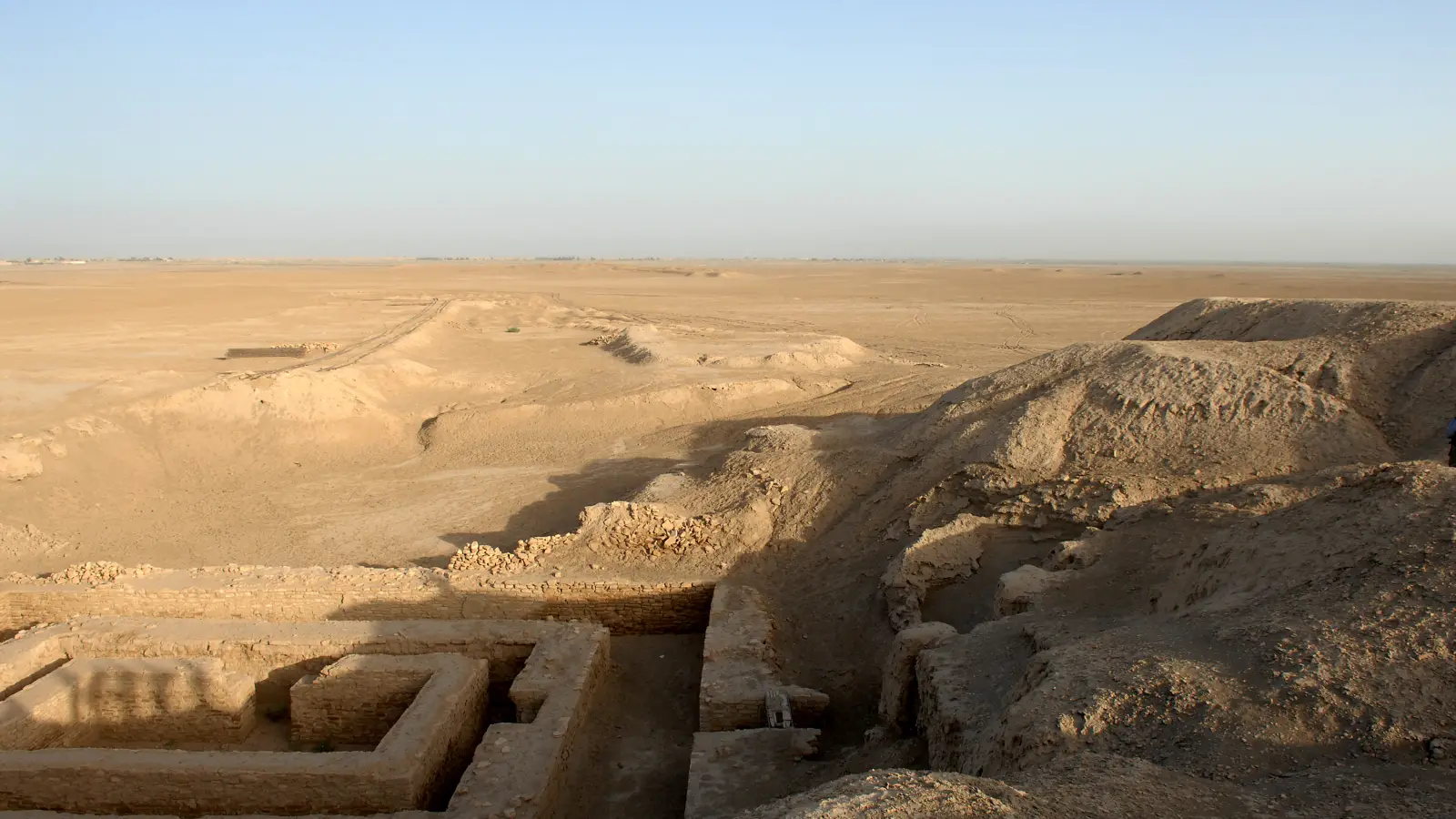
One of the world's earliest large cities. Late fourth-millennium administrative tablets from Uruk preserve proto-cuneiform, among the earliest writing known.
Read site history
123
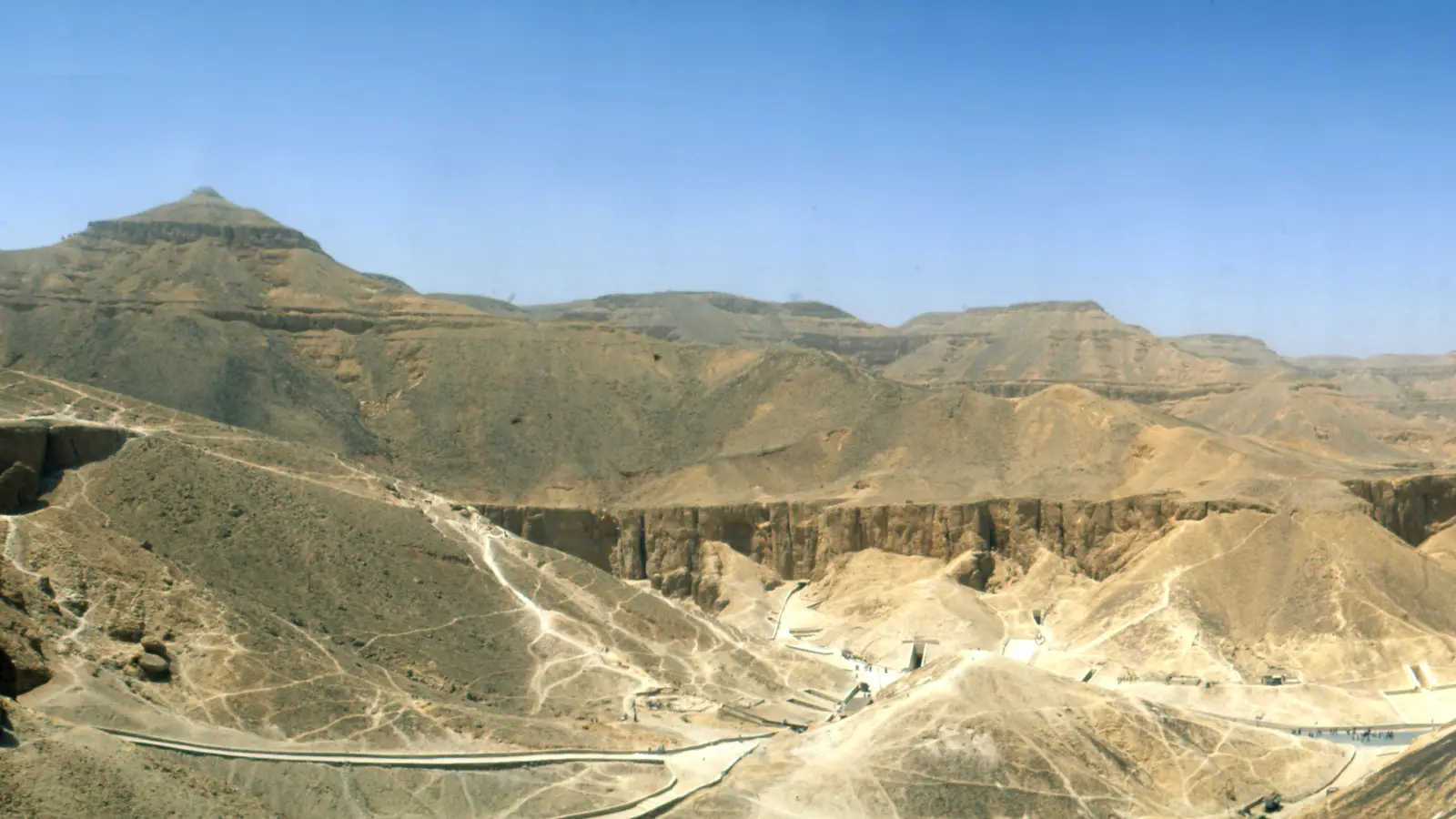
New Kingdom royal cemetery cut into the cliffs west of Luxor. More than sixty numbered tombs are known, including KV62, Tutankhamun's largely unplundered burial.
Read site history
124
A Roman city and legionary camp near the Danube, with an amphitheatre, baths, streets, frescoed tombs, and one of the region's largest excavated necropolises.
Read site history
125
A major Neolithic settlement on the Danube near Belgrade, with deep occupation layers, mud-and-timber houses, pottery, figurines, and long-distance trade.
Read site history